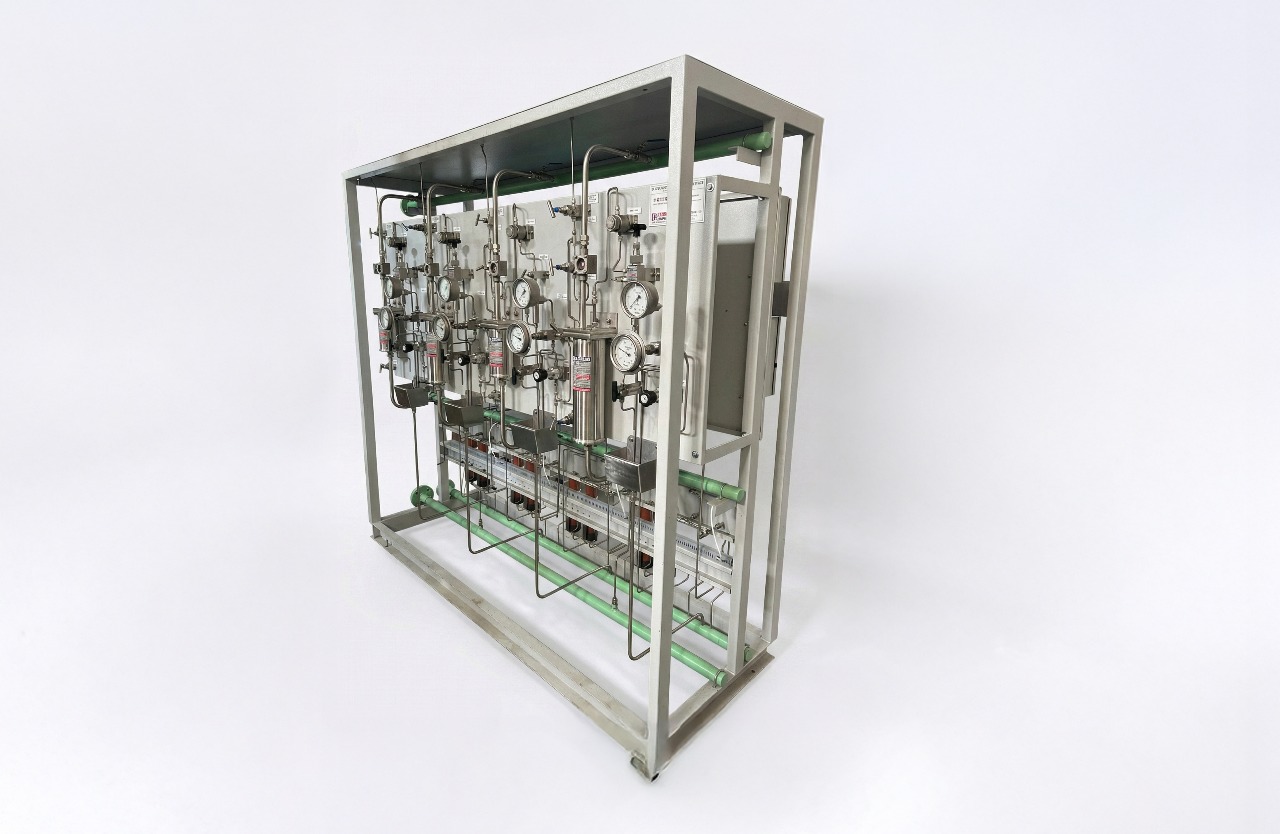
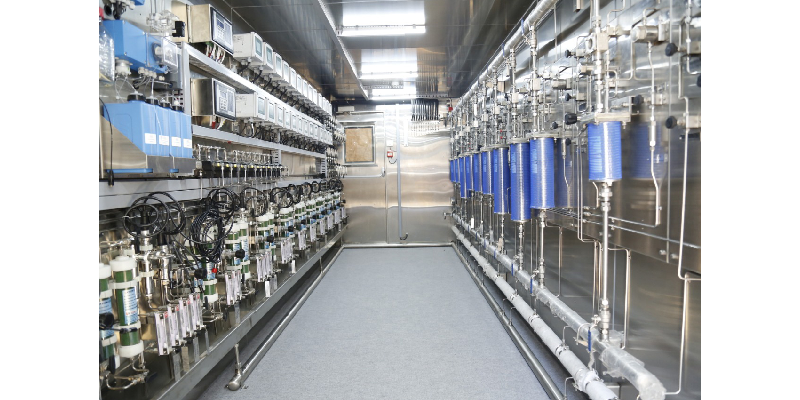
SAMPLE FILTER
Image 1

Description


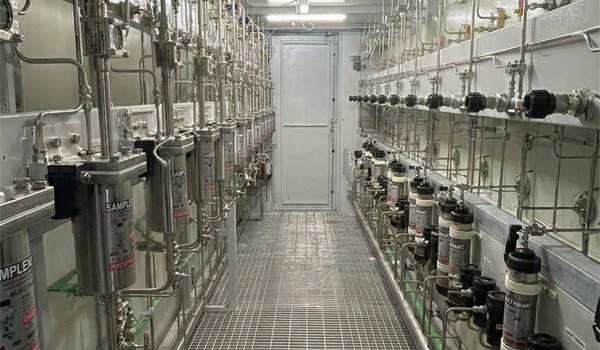
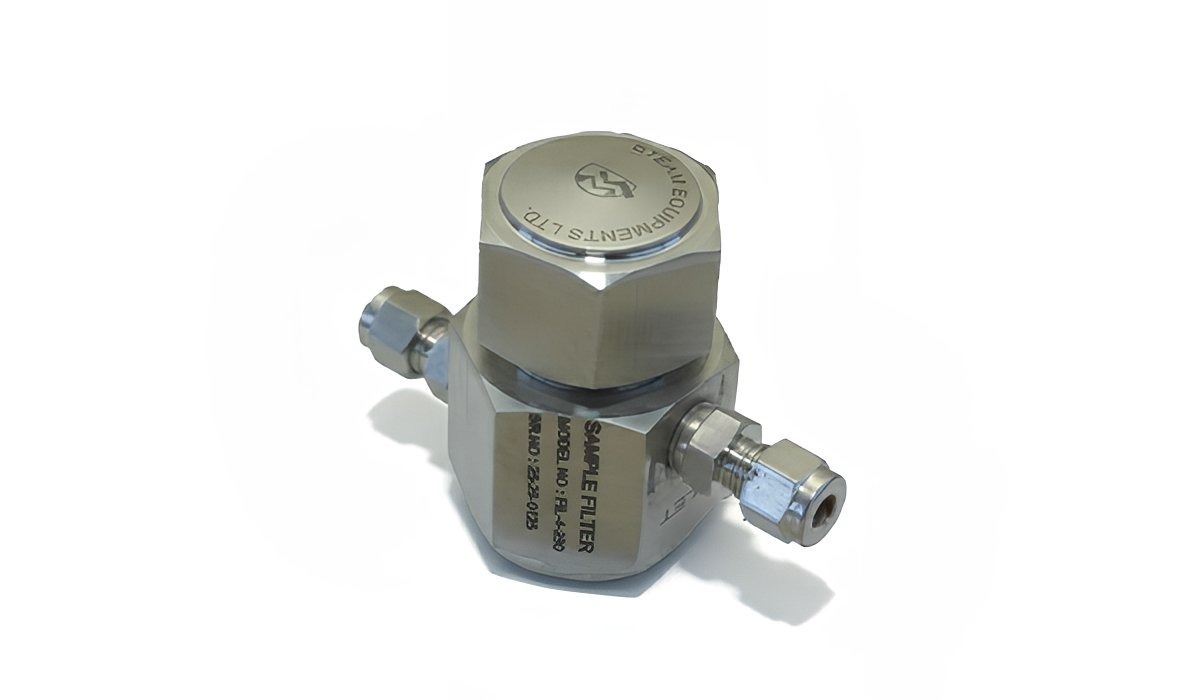
The Sample Filter is a critical component of the Steam and Water Analysis System (SWAS), designed to remove suspended particles, corrosion products, and impurities from steam and water samples before they enter analyzers. It ensures clean, stable, and representative samples for accurate measurement of key parameters such as conductivity, pH, silica, sodium, and dissolved oxygen. Engineered with high-efficiency filtration media and corrosion-resistant materials, the sample filter enhances analyzer protection, minimizes maintenance, and improves the overall reliability of the SWAS system.

Features


1) Design pressure 400 Bar, temperature 650'C

2) 40 Micron Sintered Stainless Steel filter element

3) Compact Design

4) Spring Loaded, Easy to clean

5) Stainles steel body material

Specifications:


Specification Details
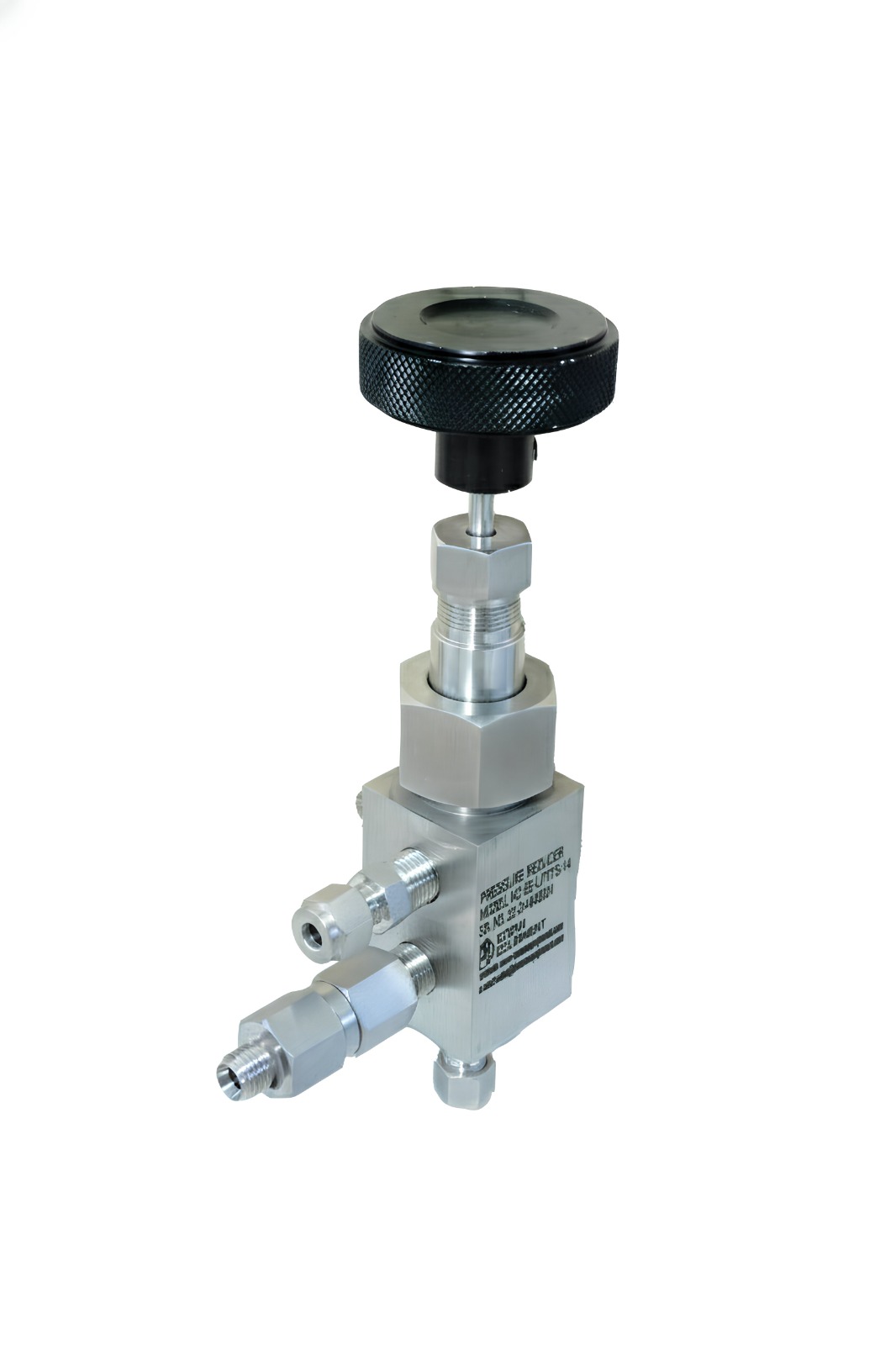
LPRTS ( Low Pressure Reducer and Thermal shut off)
Image 1

Description


MODEL: SE-LPRTS-14 
The LPRTS is an integrated safety and pressure-control unit designed to deliver stable low-pressure output while simultaneously providing thermal shut-off protection. It automatically reduces high upstream pressure and closes the line in the event of abnormal temperature rise, preventing overheating and safeguarding sensitive downstream equipment. Compact, reliable, and maintenance-friendly, the LPRTS is ideal for analyzer systems, steam lines, and industrial process utilities.

Features


• recise Low-Pressure Regulation

• Integrated Thermal Shut-Off Mechanism

• Fail-Safe Safety Design

• Compact & Robust Construction

• Corrosion-Resistant Materials

• Easy Installation & Maintenance

• Compatible with Multiple Utilities

• Enhanced Equipment Protection

• Compliance with Industry Safety Standards

Specifications:


Specification Details
Local Instrument Enclosure (lie)
Image 1
Image 2

Description


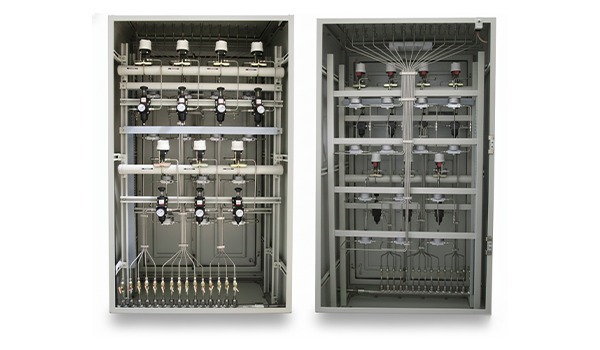
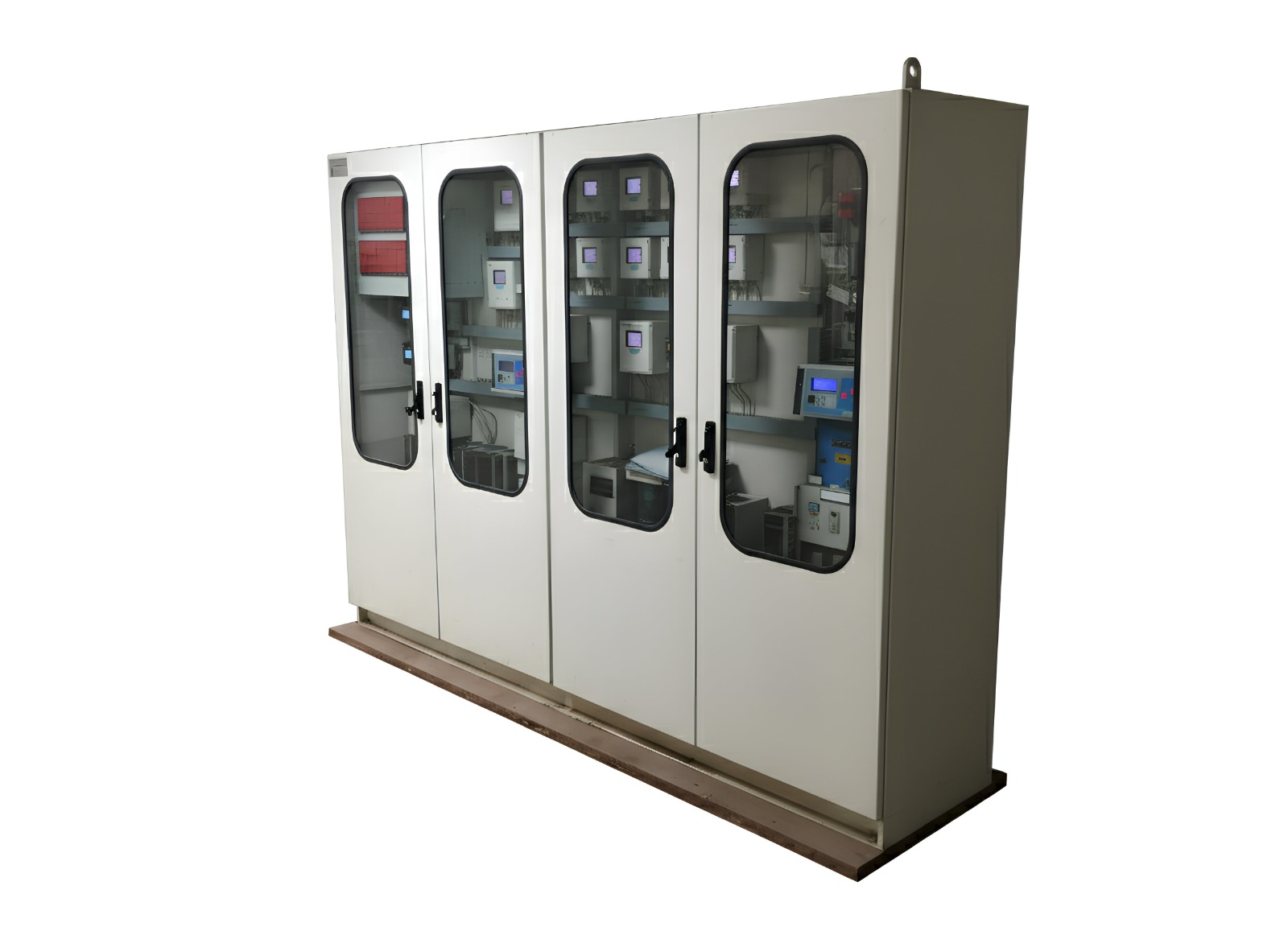
The Local Instrument Enclosure is a robust protective housing designed to ensure the safe and reliable operation of field-mounted instruments in demanding industrial environments. It shields critical devices such as pressure transmitters, flowmeters, temperature sensors, analyzers, gauges, switches, and junction boxes from adverse conditions including dust, moisture, extreme temperatures, vibration, and chemical exposure.

Constructed from high-grade stainless steel, aluminum, or powder-coated mild steel, the enclosure provides superior corrosion resistance and long service life in process plants, refineries, power stations, and outdoor installations. Its weatherproof and IP-rated design ensures complete environmental sealing, while optional thermal insulation, sunshields, heaters, or cooling arrangements protect instruments from thermal stress.

The enclosure is engineered for easy access with hinged or removable doors, allowing safe and convenient maintenance, calibration, or inspection activities. Cable entry glands, mounting brackets, and customized cutouts can be provided to suit specific project or instrument requirements.

Local Instrument Enclosures form a vital part of SWAS systems, analyzer panels, and field instrumentation loops, enhancing reliability, reducing maintenance downtime, and ensuring compliance with safety standards in harsh operating conditions.

Local Instrument Racks (lir)
Image 1
Image 2

Description


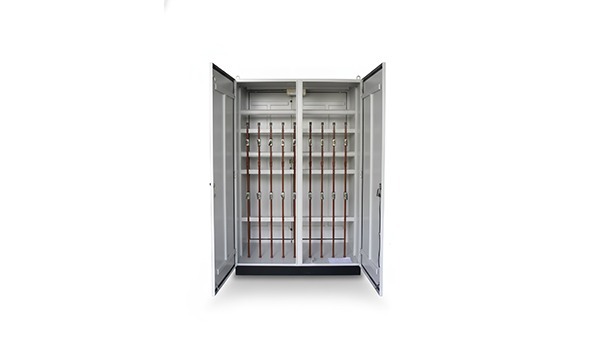
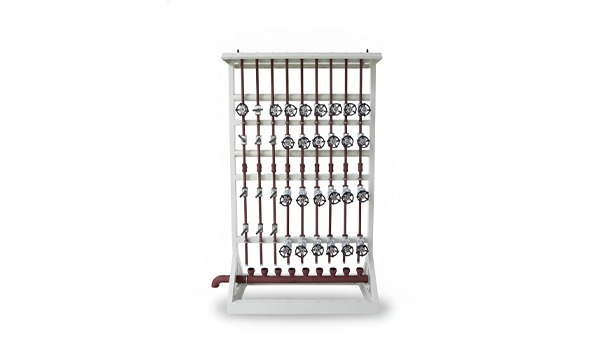
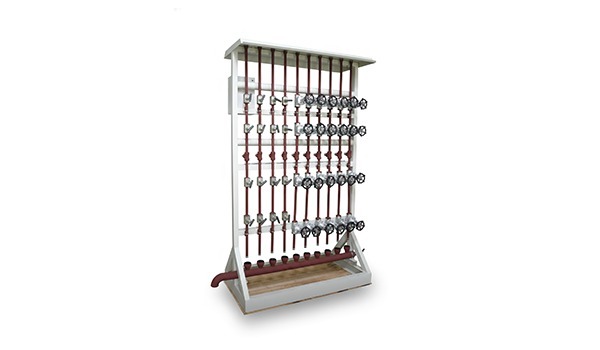
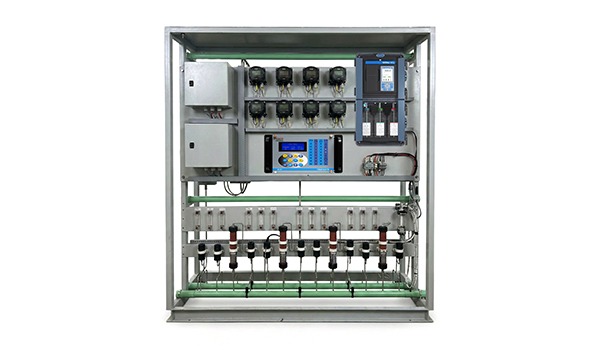
In any process activity involving the measurement of process variables like pressure, flow and level of gas, steam or fluid and temperature of static and dynamic elements, transmitters are used. These measurements are extremely critical for satisfactory and trouble free operation of a plant. The transmitter converts these physical parameters to electrical signals which are further fed into the plant DA S or DM. Since the transmitters are housed in the fields near the source of origin of signal, special provision for their mounting has to be provided. As per the field location, the transmitters and related equipment may be housed in racks or in enclosures.

Enclosures are cubicles which, besides providing proper support for mounting of local instruments, provide protection against ingress of dust and water. These are put in places where the presence of moisture and impurities may impede the proper functioning of the equipment On the other hand, racks are free standing structures for supporting local instruments. These are placed at locations where the atmosphere is clean and free from impurities. 

For Hydraulic Application
Image 1

Description


    For Hydraulic Application


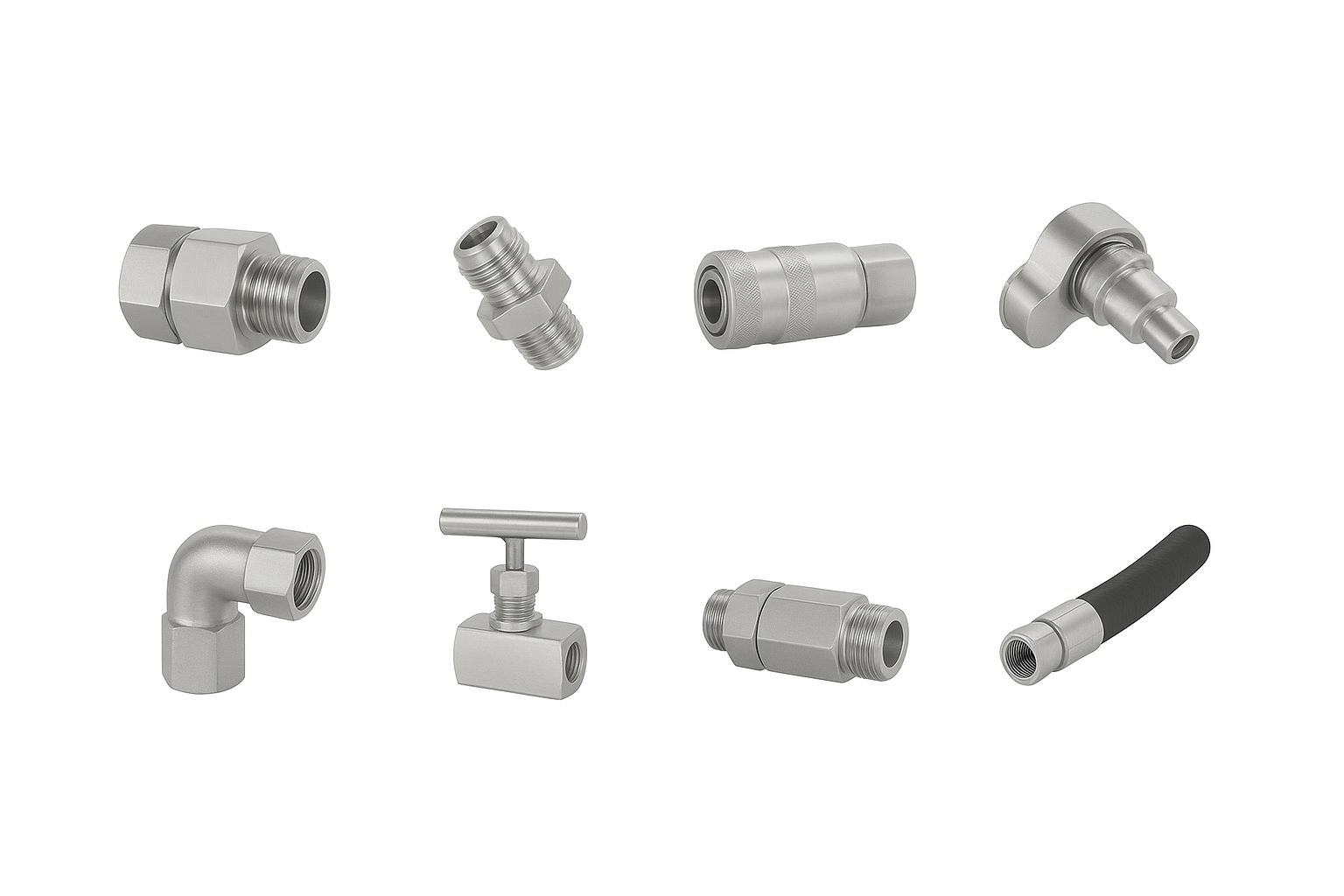
    • Tube Fittings to DIN 2353
    • 37° Flare Fittings
    • Quick Connect Couplings
    • Swivel Joints
    • Pipe Fittings
    • Needle Valves
    • Check Valves
For Cng Applications
Image 1

Description


    For CNG Applications


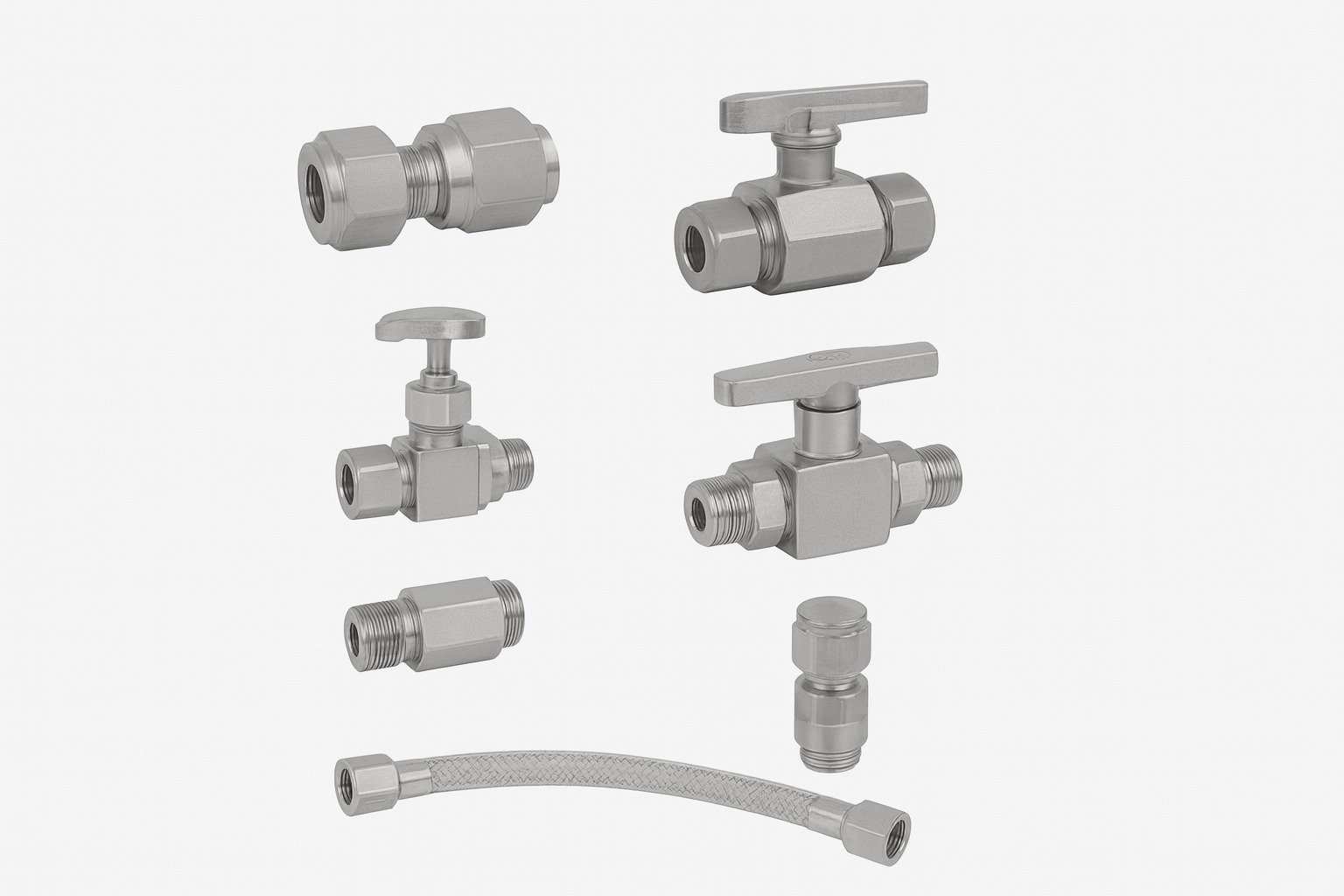
    • SS316 Twin Ferrule Tube Fittings
    • Two Way Ball Valves
    • Three Way Ball Valves
    • 2/3 Way Manifold Valves
    • Check Valves
    • Relief Valves
    • Hose Pipe
For Instrumentation Applications
Image 1

Description


    For Instrumentation Applications


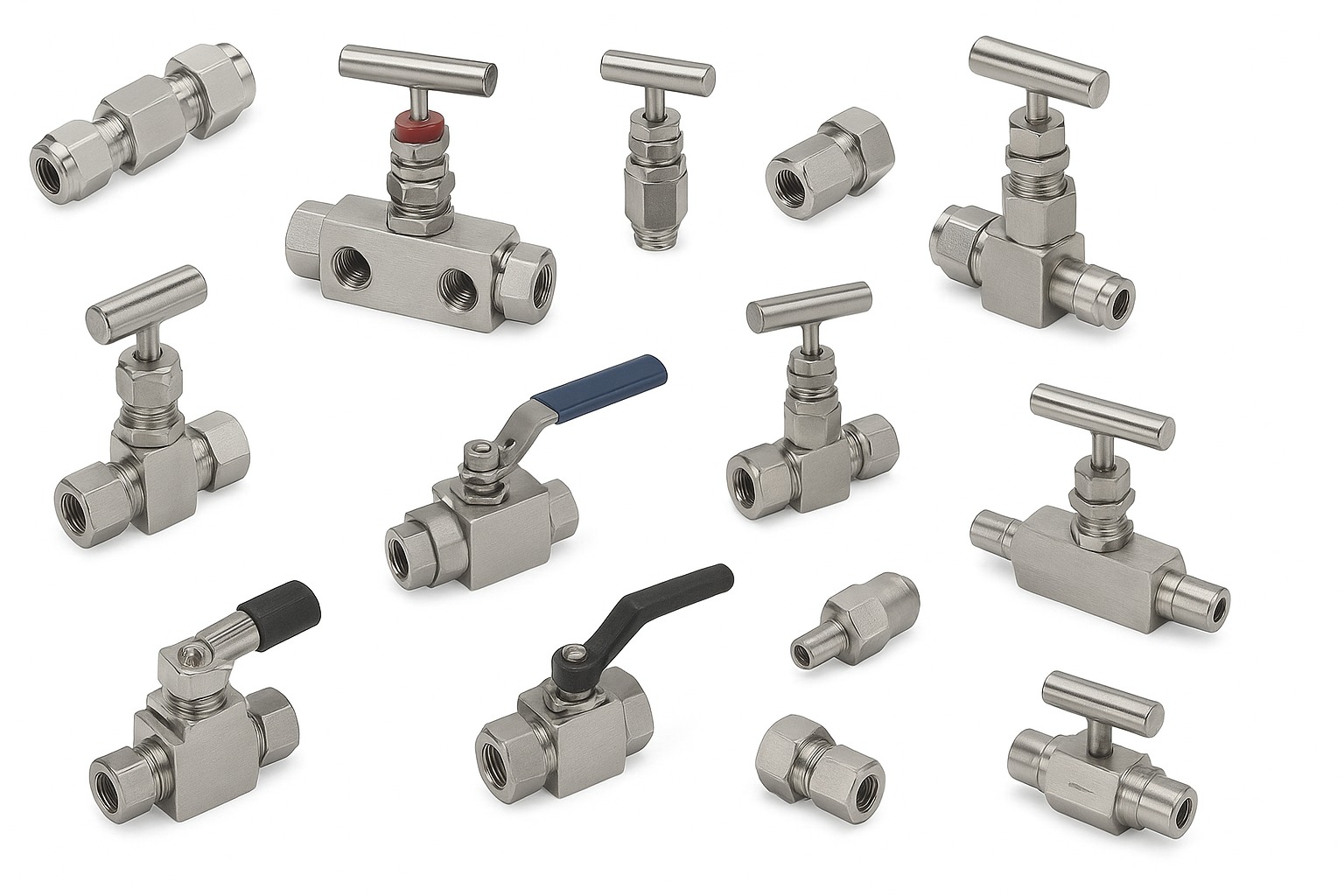
      • Twin Ferrule Tube Fittings
      • Single Ferrule Tube Fittings
      • Precision Pipe Fittings
      • Tube Fittings with Integral Flange
      • Ball Valves
      • Needle Valves
      • Gauge / Root Valves
      • 2/3/5 Way Manifold Valves
      • Monoflange Valves
      • Double Block & Bleed Valves
      • Purge & Bleed Valves
      • Toggle Valves
      • Relief Valves
      • Check Valves
      • Micron In-Line Filters

Close Circuit Cooling Water Systems
Image 1

Description


The closed circuit cooling water system where Circulating water is in a closed circuit. The Circulating water removes the heat from the condenser and flows of cooling towers. In the cooling towers an air flow, natural or forced, cools the water and the water returns to the condenser. Power plants located away from large sources of water utilise this type.The large concrete hyperbolic towers that you see near thermal power plants are used for cooling the circulating water. All Systems are designed in compliance with ASME PTC-19.11, USA, GDCD, UK, EPRI, VGB Standard S006-2012. 

Features


• 100% Stand-by Pump, Motor & Heat Exchangers

• Highly recomended to install in case of poor quality of cooling water

• Auto-Change Over Facility

• Auto-Change Over Facility

• Capacity: Upto 120kw

• Easy to Maintain 

Benefits


• The raw water requirement is considerably less

• This system is to make up for losses due to evaporation and blow down

• Low Maintenance

• Advanced Design 

Applications


• Refinery application

• Petrochemical applications 

Chiller
Image 1
Image 2
Image 3

Description


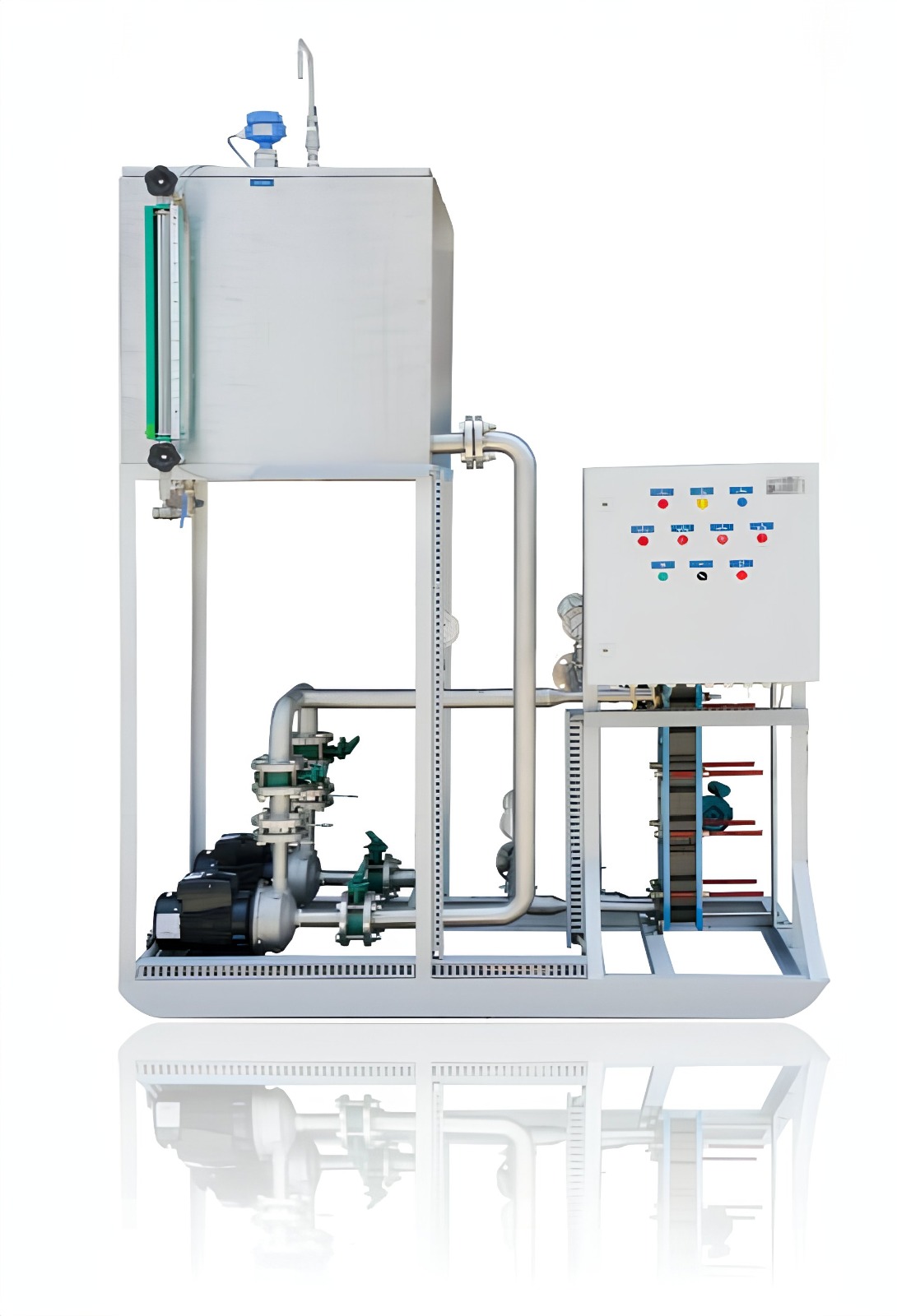
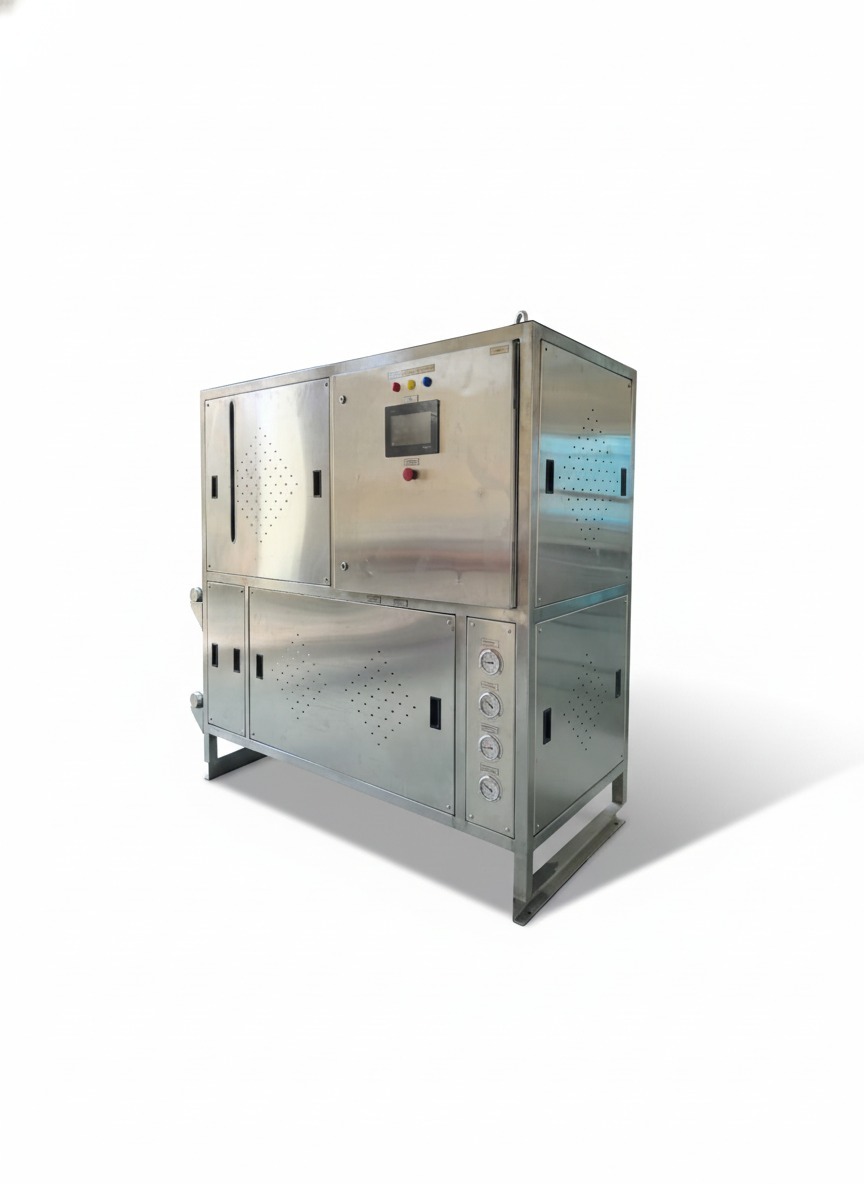
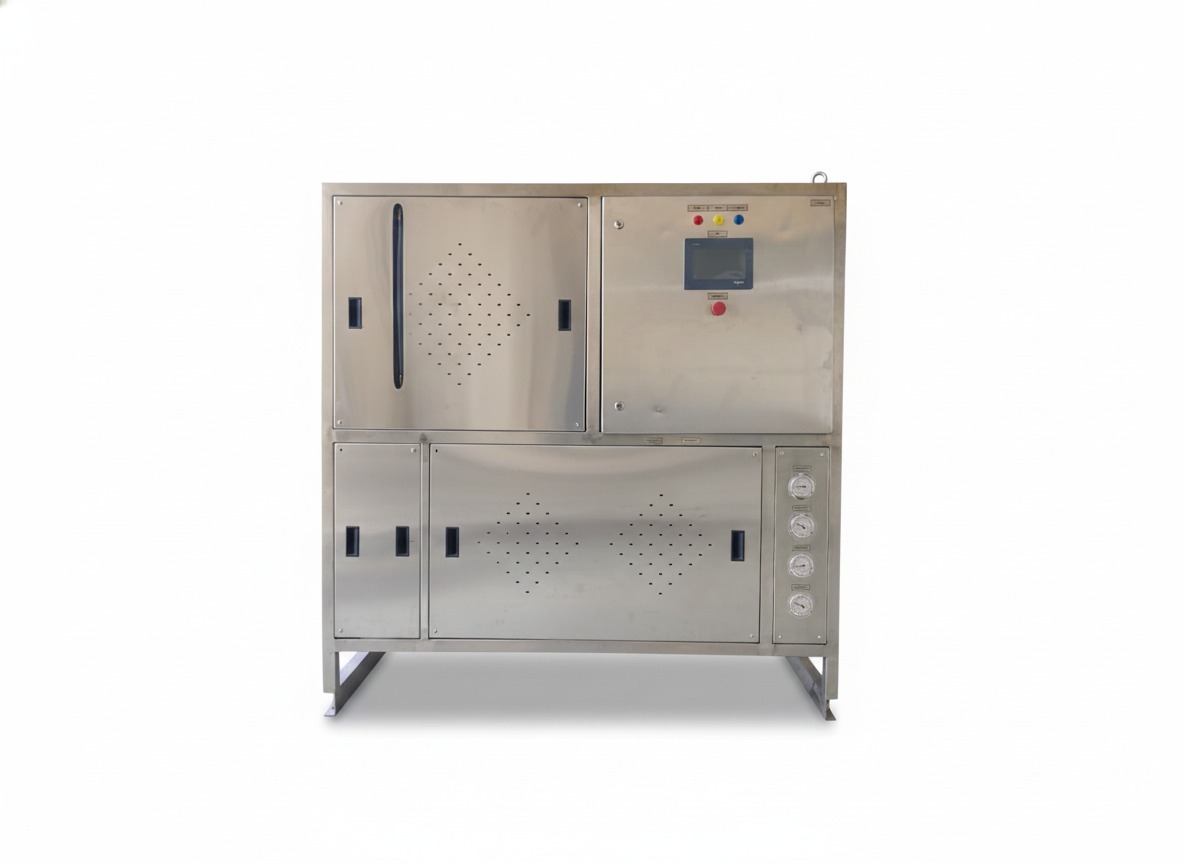
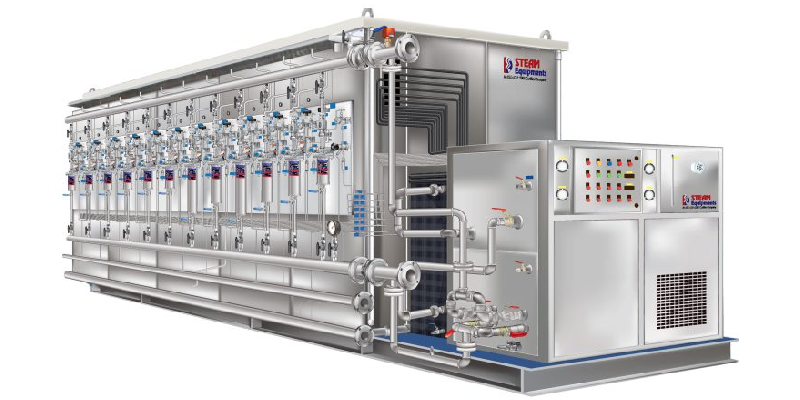
SEL’s chiller is designed with sufficient refrigeration capacity to ensure that sample stream temperature is up to 25oC ±1oC. It is fabricated with complete stainless-steel construction. Chiller is of direct expansion type with refrigerant tubes inside a shell, completely insulated and to be constructed in accordance with the ASME code. Refrigerant circuit consists of components such as thermostatic expansion valve, liquid line solenoid valve, sight glasses, filter-dryer, refrigerant shut-off and charging valves.

All Systems are designed in compliance with ASME PTC-19.11, USA, GDCD, UK, EPRI, VGB Standard S006-2012 

Features


• Compact skid mounted chiller system, ready to install.

• Chillers are fully automatic with tried & tested controls.

• Quick chilling is ensured with plate type or shell and tube evaporators.

• Chillers use energy saving with cycling fans and high efficiency fin tube air-cooled condensers with liberal sized fans.

• Chillers offer guaranteed cooling capacity at rated parameters.

• Specific design to meet customer requirement for various temperatures available in addition to standard models. 

Applications


• In sample handling systems, chillers are used to achieve outlet temperature of sample at 25oC. Chiller package is one of the important & valuable element of SWAS Unit.

Refinery Cooler
Image 1
Image 2

Description


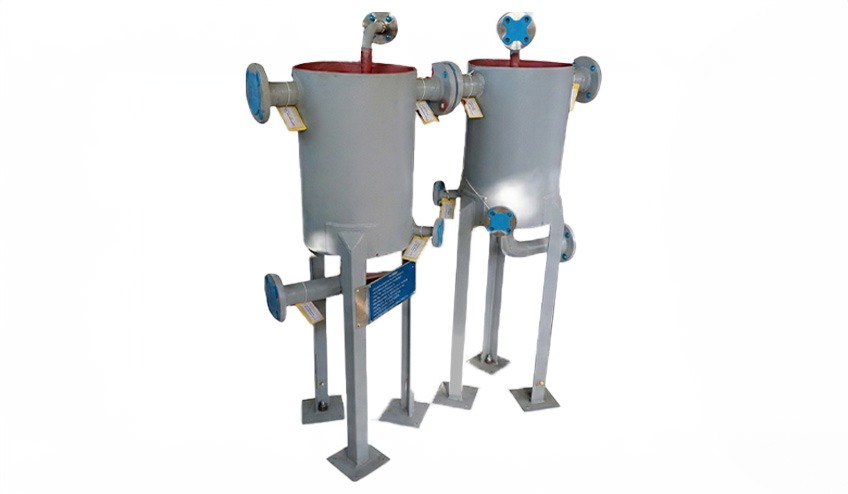
A Refinery Cooler is a robust heat exchange unit designed to safely and efficiently reduce the temperature of high-temperature process fluids, steam, or condensate in refinery and petrochemical plants. It plays a critical role in protecting downstream equipment, piping, and instrumentation by ensuring process streams are cooled to safe, controlled levels before further processing, sampling, or analysis.

Manufactured using high-grade, corrosion-resistant materials such as stainless steel, refinery coolers are built to withstand high pressure, high temperature, and aggressive process conditions commonly found in refinery operations. The cooler provides stable thermal performance, minimizes thermal shock, and ensures consistent outlet temperatures under continuous operation. Its compact and maintenance-friendly design makes it suitable for integration into sampling systems, SWAS panels, and refinery utility lines, enhancing overall process safety, reliability, and operational efficiency.

Features


• Designed for high-temperature and high-pressure refinery process streams

• Efficient heat dissipation to ensure safe outlet temperatures

• Corrosion-resistant construction for harsh refinery and petrochemical environments

• Compatible with sampling systems, SWAS panels, and process utility lines

• Flexible mounting options for panel, skid, or field installation

• Leak-tight design ensures safe and reliable operation

Specifications:


Specification Details
Coil In Coil Cooler
Image 1
Image 2

Description


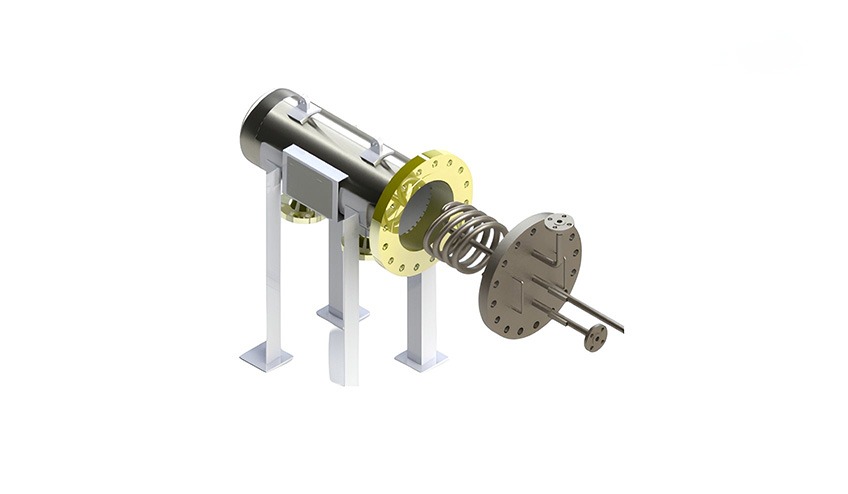
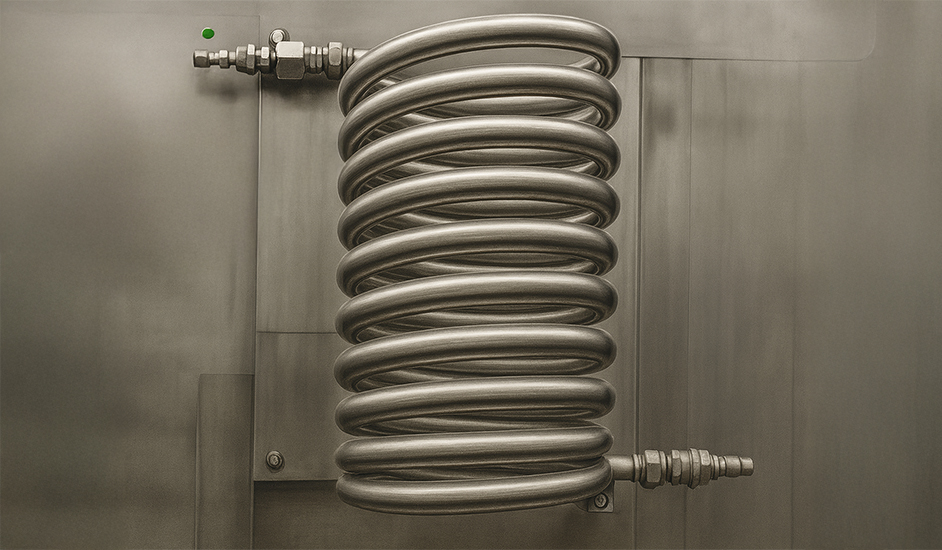
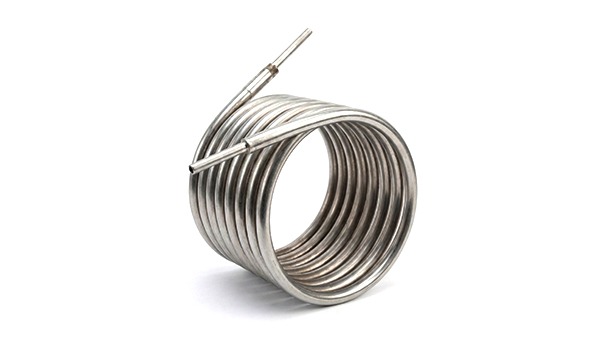
Coil in coil type heat exchangers are spirally wound, full counter flow heat exchangers well suited for a variety of applications where low flow rates of high temperature and/or high pressure fluids need cooling . These coolers are designed for counter flow cooling to achieve close approach temperature. 

Features


• Designed to handle high pressure upto 250 bar & High temperature upto 580 °C samples.

• Designed in compliance ASME BPE 2007

• Close approach temperature ( 2°C)

• Minimal Cooling water requirement

• Coils are spirally wounded to ensure maximum counter flow efficiency.

• Fully drainable inner and outer coil 

Sample Coolers
Image 1

Description


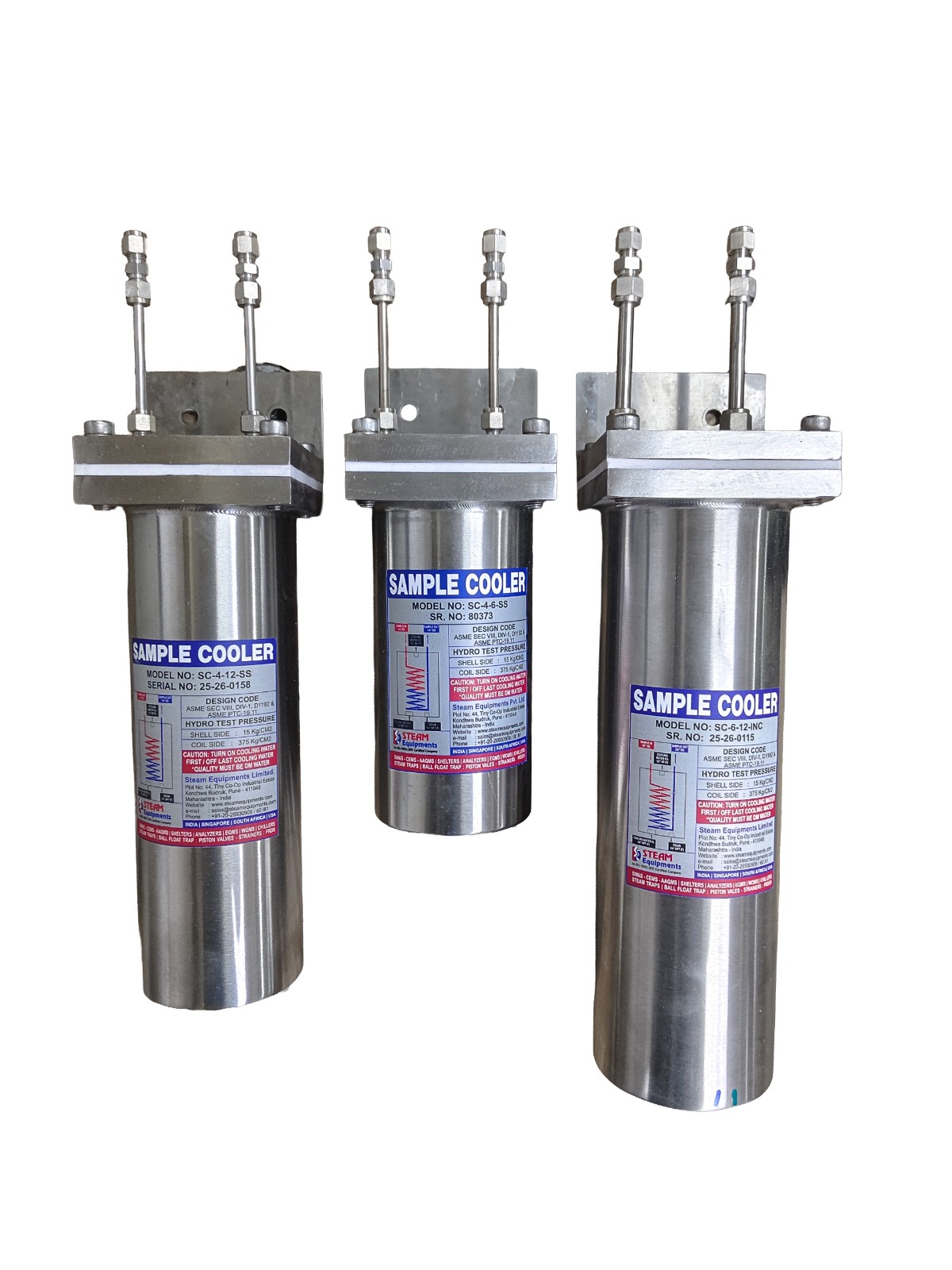
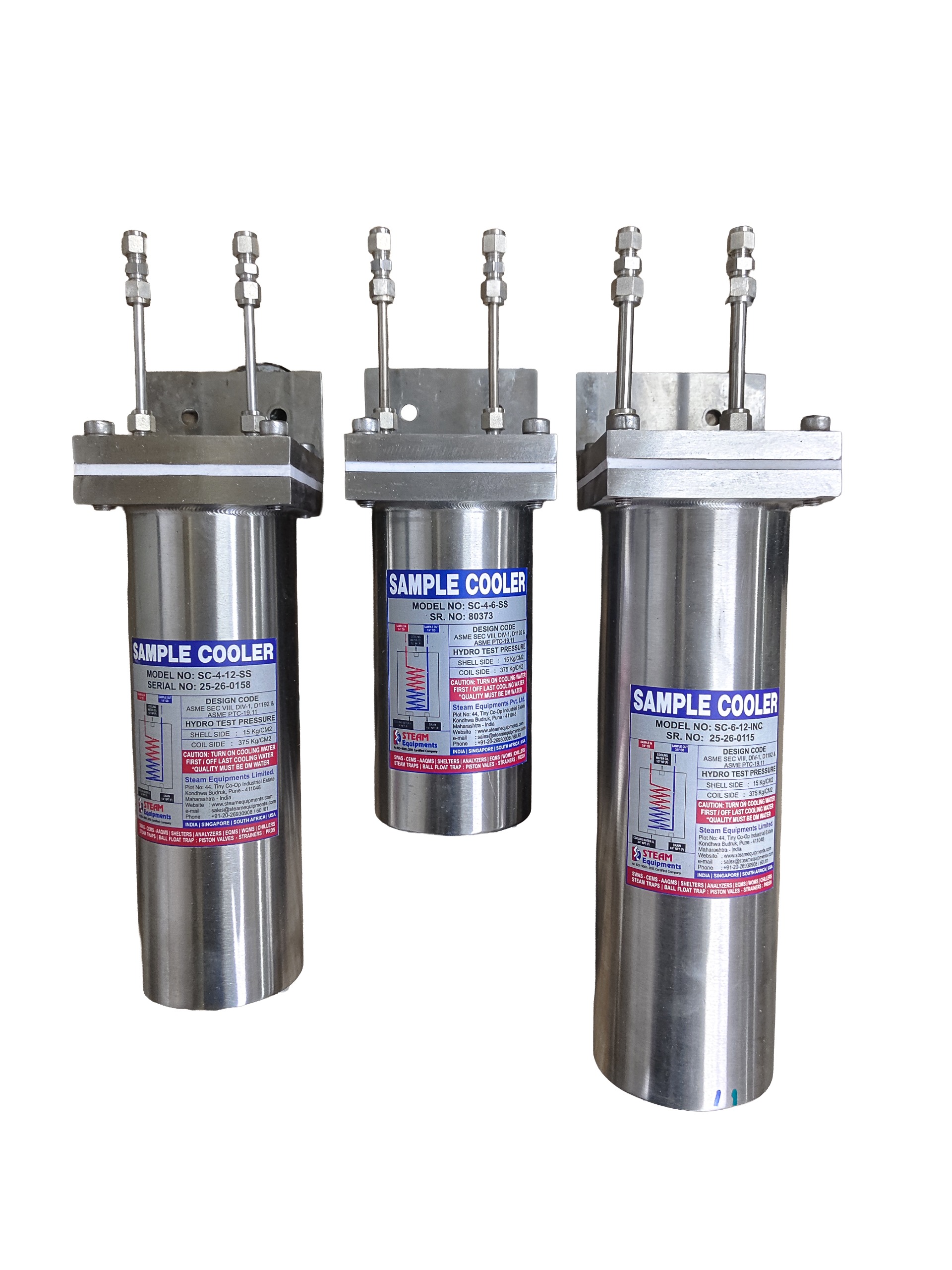
Steam Equipments Sample Cooler is a compact unit, specially designed as per ASME SECVIII, Div-1 & ASME PTC-19.11 recommendations, to handle high pressure & high temperature applications. The sample flows through a fixed volume, high pressure cylinder which is built inside the sample cooler shell, the cooling water flows through the cooling shell.These coolers as designed for counter flow cooling to achieve a very close temperature approach of the sample to coolant. The cooler is made up of the double helix coil which meets ASME D1192 requirements fitted with a baffle for maximum efficiency. The shell is mounted through flanged connections and it can be removed without disturbing sample line. Generally, SS coil is selected, however, if the chloride content of the sample is high, Inconel coil is selected otherwise it may cause stress corrosion.

Features


• Coils with double helix shape for more heat exchange.

• Compact Design: It’s very compact compared with the service it is put to. The double helix coil design makes its size almost half the size of conventional single helix designs.

• High efficiency: Very close approach temperatures with minimal cooling water requirement.

• Removable shell resulting in easy on-line shell cleaning. Facilitates routine on-site maintenance easy. Coils can be cleaned in-place.

• Built-in safety valve for CW line.

• 3 stage cooling in one shell design.

• Shell relief valve: Shell is protected with a built-in-Shell Relief Valve, thus preventing accidental pressure built-up inside the shell in case of failure.

• We can offer IBR approved sample coolers as well, as our facilities are approved by IBR.

Benefits


• In-built safety relief valve to prevent accidents in the field in case of an (unlikely) event of coil failure

• For specific applications we can offer IBR / CRN approved sample coolers

• Truly Counter-flow design

• Sample coils that are easy to replace

• No joints on the coil

Applications


• For cooling high temperature liquids to safe temperatures for continuous monitoring systems.

• Boiler water.

• Refineries and petrochemical.

• Oil & Gas.

• Process steam.

• HRSG Power Plants.

• Industries like Cement, Paper, Sugar etc.

Specifications:


• Tube designed at 250 bar and 580 °C

• Tube material is ASTM A213 TP-316 and seamlessly built

• Shell designed at 10 bar and 200 °C

• Shell material is ASTM A312 TP-304

• End connection options of ½”, ¼”, ¾”, ⅜” OD

Cation Columns
Image 1
Image 2

Description


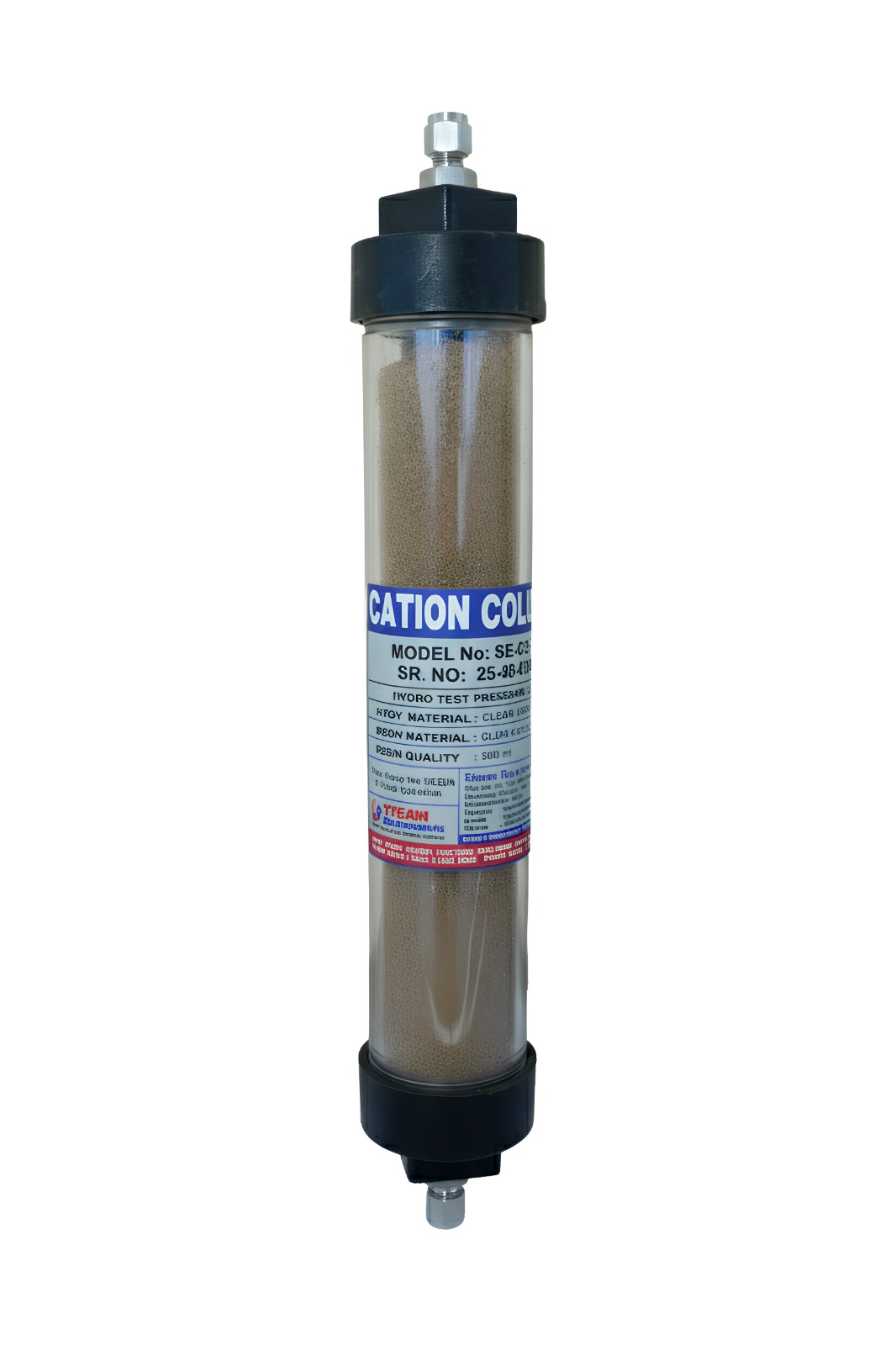
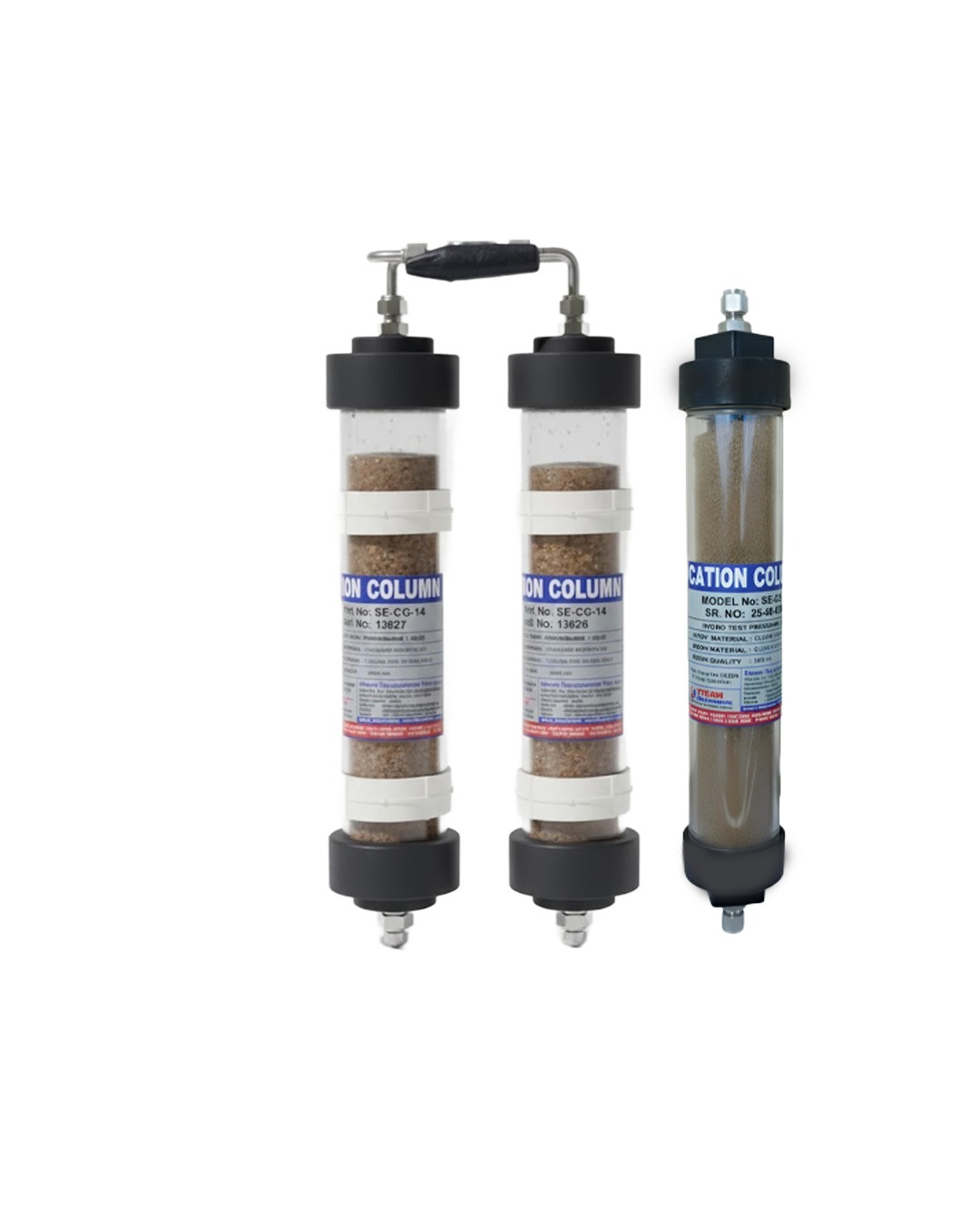
The Cation Exchange Column is an essential component of the Steam and Water Analysis System (SWAS), used to remove positively charged ions such as calcium, magnesium, sodium, and other cationic impurities from boiler water and condensate samples. This ensures accurate cation conductivity measurement, enabling early detection of ionic contamination and corrosion risk in power plant water-steam cycles.

The system is available in Single Column and Duplex Column configurations.The Single Column design provides reliable ion-exchange performance for standard sampling applications, offering stable conditioning of samples in continuous operation.The Duplex Column configuration features two ion-exchange units arranged for uninterrupted operation, allowing one column to remain in service while the other is in regeneration or standby mode. This ensures maximum uptime, redundancy, and consistent sample quality, especially in critical process and high-demand environments.

Features


1) Slim Design for better performance.

2) Color indicating type of resin.

3) Optional quick - disconnecting kit.

4) Designed for Max Pressure upto 10 Bar

5) Design Temperature: 80 C

6) Easy replacement of resin.

7) More than 3000 cation columns installed worldwide 

Specifications:


Specification Details

Description


Purge Rotameter (ST Series)

A rotameter is a device that measures the volumetric flow rate of fluid in a closed tube. It belongs to a class of meters called variable-area flow meters, which measure flow rate by allowing the cross-sectional area the fluid travels through to vary, causing a measurable effect.

  • Fluid: Liquids & Gases
  • Density / Sp. Gravity: Upto 85
  • Viscosity: Upto 220 cp
  • Temperature: Upto 150°C
  • Pressure: Upto 8 Kg/em²
  • Measuring Range: 6 to 160 LPH water / 10 to 5000 NLPH air/gas
  • Line Size: Up to 1” NB
  • Materials: SS304/SS304L/SS316/SS316L, PTFE, Monel, Hastalloy
  • Connection: Flanged / Screwed BSP/NPT
  • Accuracy: ±2% FSD & ±1.5% on request
Rotameters Flow Meter - SC250 & SM250

SC250 & SM250 model metal tube variable area flow meters are suitable for gases, liquids and steam flow measurement. It uses a robust metal tube construction with an optional plastic liner to handle tough and corrosive process fluids.

  • Linear scales
  • High performance in extreme working conditions
  • High resistance to temperature, pressure and corrosion
  • Low pressure drop
  • Damping mechanism to avoid float bounces in gas applications
Rotameters Flow Meter - 6001/6002 Glass Tube

6001/6002 series glass tube rotameters are designed according to VDI/VDE 3513 standards. Its clear borosilicate tapered glass tube with scales help flow reading with great accuracy and ease. End connection options such as screwed end connections, flanges and sanitary couplings make it suitable for all kind of process industries.

  • Easy Installation, no straight pipe required
  • Low pressure drop
  • Adjustable alarms (magnetic / infra-red)
  • Borosilicate glass measuring tube
  • Steel construction with Polyamide 11
  • Connections: Steel, SS316, PVC, PTFE
Rotameters Flow Meter - 2000 Series Purge Meters

2000 series variable area purge meters use a tapered borosilicate glass tube with a fine threaded regulating valve for precise flow adjustment. Various flow tube lengths such as 100 mm, 150 mm and 300 mm are available. It’s compact construction with reduced dimensions facilitates easy installation and mounting on control panels

  • Easy Installation
  • Short mounting length
  • No straight pipe required
  • Vertical or Horizontal mounting options
  • High & Low flow alarms
  • Constant flow regulators RCA or RCD
Back Pressure Regulator
Image 1

Description


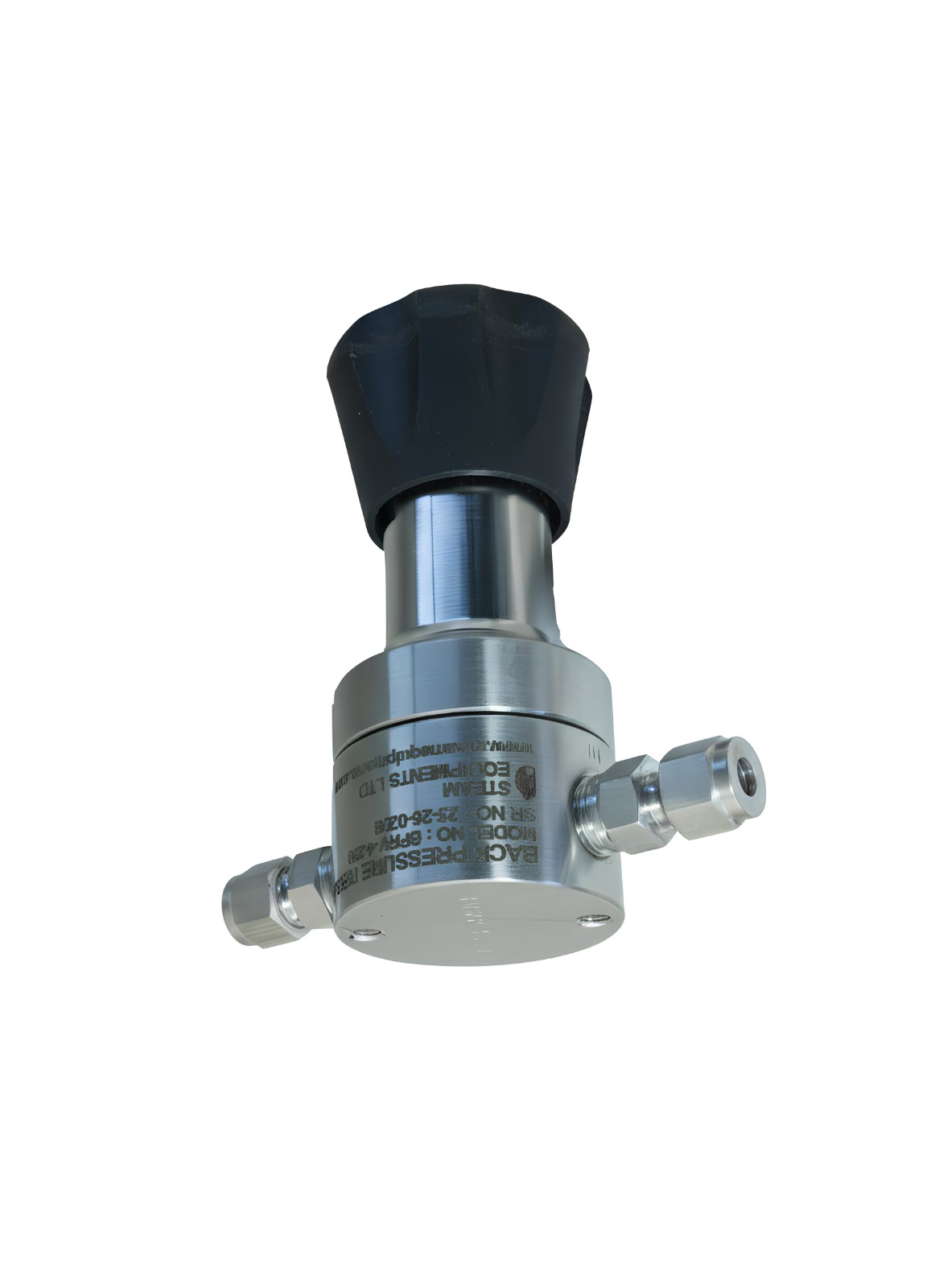
Back pressure regulator for gas or liquid service, is used to maintain the constant pressure in sampling system or act in a relief valve capacity. These regulators are generally used at the outlet of grab sample. 

Features


• Set pressure: 3 bar, temp: 120°C (max).

• Very compact design.

• Stainless steel diaphragm.

• Fully stainless steel construction.

• 1/4″ OD or 3/8″ OD end connections.

• High Pressure capability upto 10 kg/cm2.

• Suitable for corrosive applications.

• Low operating torque.

• Compact design 

Benefits


• Highly Sensitive, Diaphragm type.

• Accurate adjustment.

• Corrosion resistant.

Applications


BPRV are used in Steam & Water Analysis Systems, Instrumentation systems, etc.

• Steam & Water Analysis Systems.

• Instrumentation systems.

Specifications:


• Type: Spring Loaded Diaphragm type.

• Body material: SS 316.

• Inlet Pressure: 3 to 6 kg/cm2.

• Set Pressure: 2.5 kg/cm2.

• Setting: Adjustable with screw.

• Flow: 60 LPH.

• Weight: 1.1 kgs (approx) 

Pressure Gauges
Image 1

Description


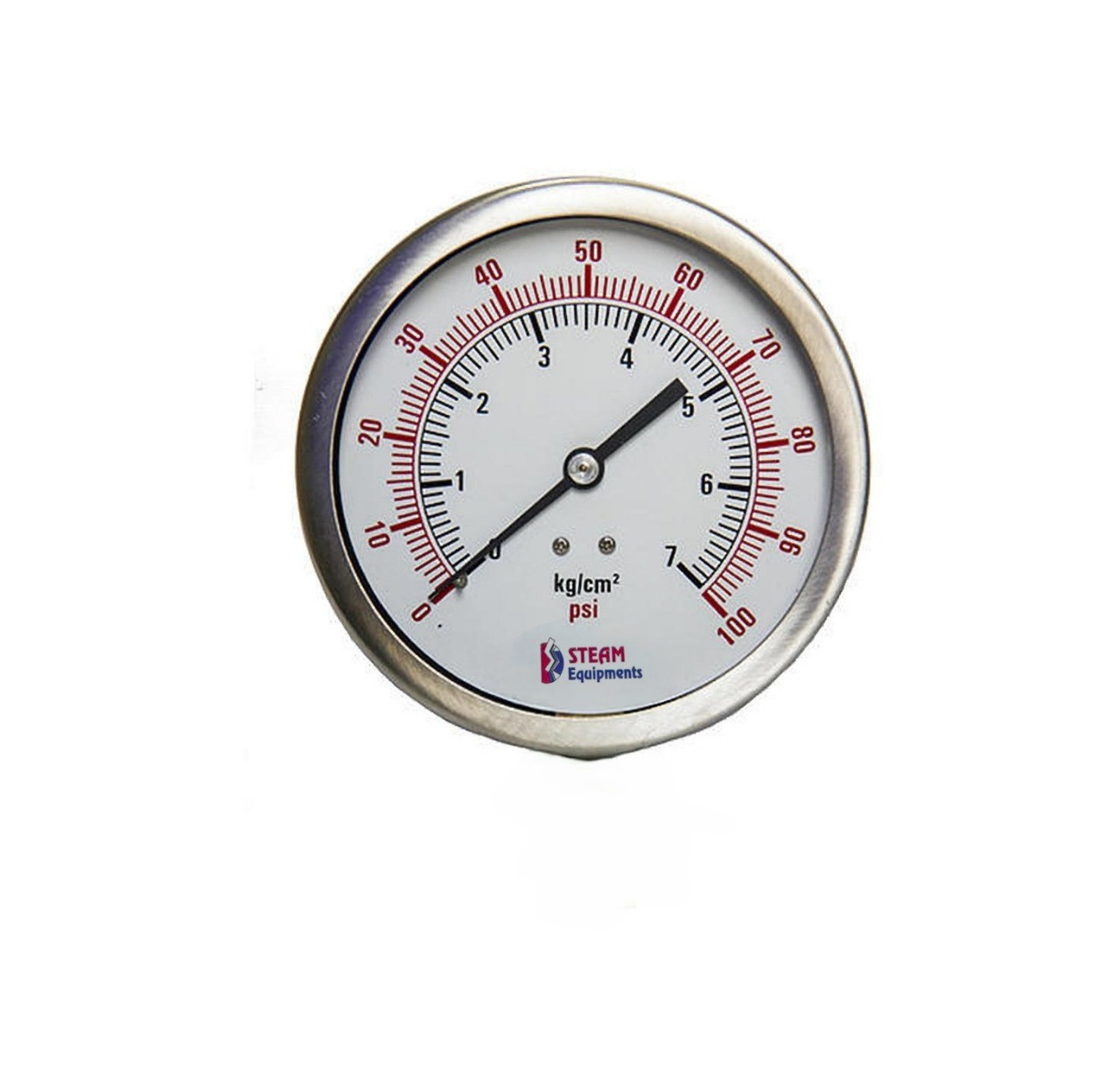
The optimal solution for a wide range of industrial applications. An extensive portfolio of pressure gauges equipped with various technologies allow to measure relative, absolute and differential pressure, available in stainless steel, copper, monel, among other special materials. Measuring ranges between 0 … 4 mbar and 0 … 1600 bar and class 0.25.

Features


• Cost effective..

• Sleek design.

• Dry & fillable version.

• Standard followed in general EN 837-1. 

Applications


• Suitable for clean air & gaseous or liquid media that will not obstruct the pressure system.

Temperature Gauges
Image 1

Description


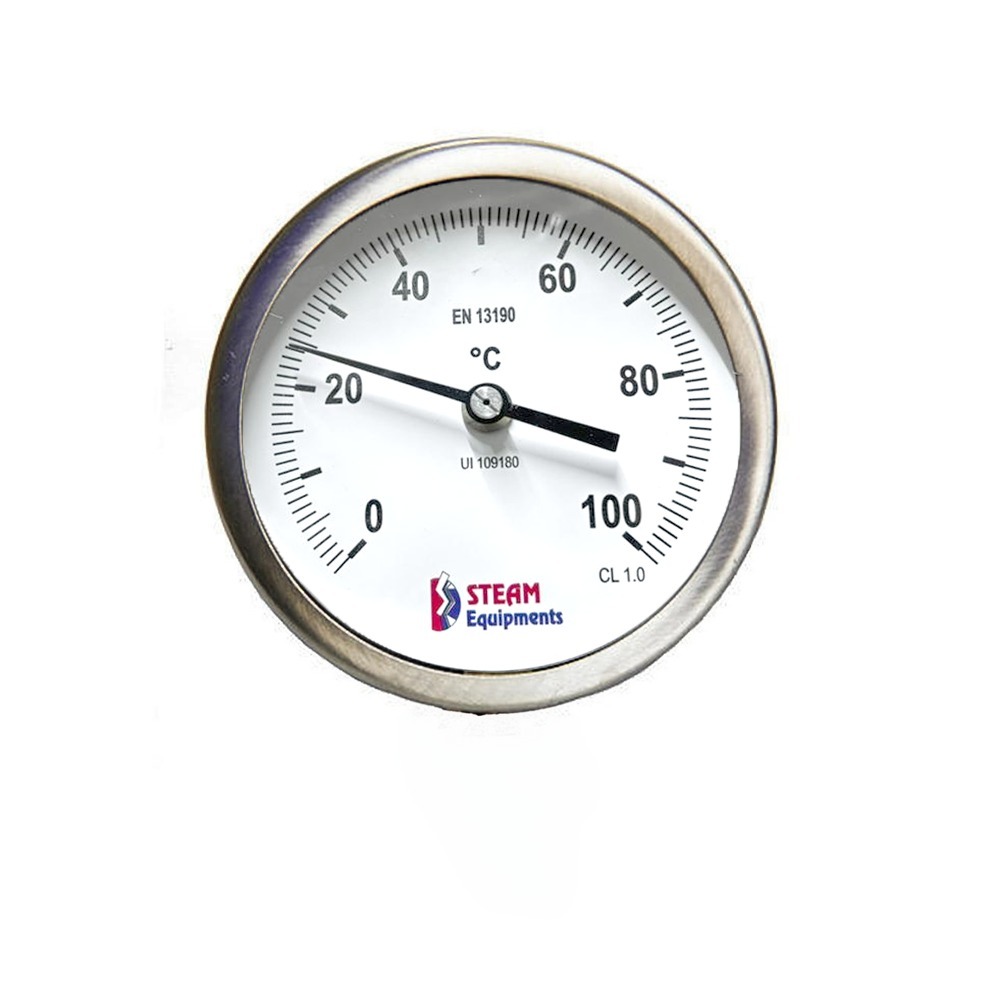
The Bimetallic Temperature Gauge operates on the basis of coefficient of thermal expansion of metals. The bi-metal the coil is manufactured from two cold-welded metal strips with different thermal expansion coefficients, which rotate in proportion to temperature. The rotary movement is conveyed to the pointer via a frictionless assembly. A comprehensive range of the standard version facilitates a variety of applications and uses. Adhering to the EN13190 standard, the design and construction of the bimetallic temperature gauge offers a robust and reliable means of temperature measurement with quick response time.

Features


• Compliance to latest EN13190.

• Standard ranges : 0 to 50°C up to 400°C.

• Overload capacity of 130% of FSD.

• Ingress protection to IP68 4” & 6” models.

• Accuracy class: tolerance class 1 as per EN13190.

• Stainless steel casing.

• External zero adjustments (optional). 

Applications


• Suitable for clean air & gaseous or liquid media that will not obstruct the pressure system.

Thermal Shutoff Valve
Image 1

Description


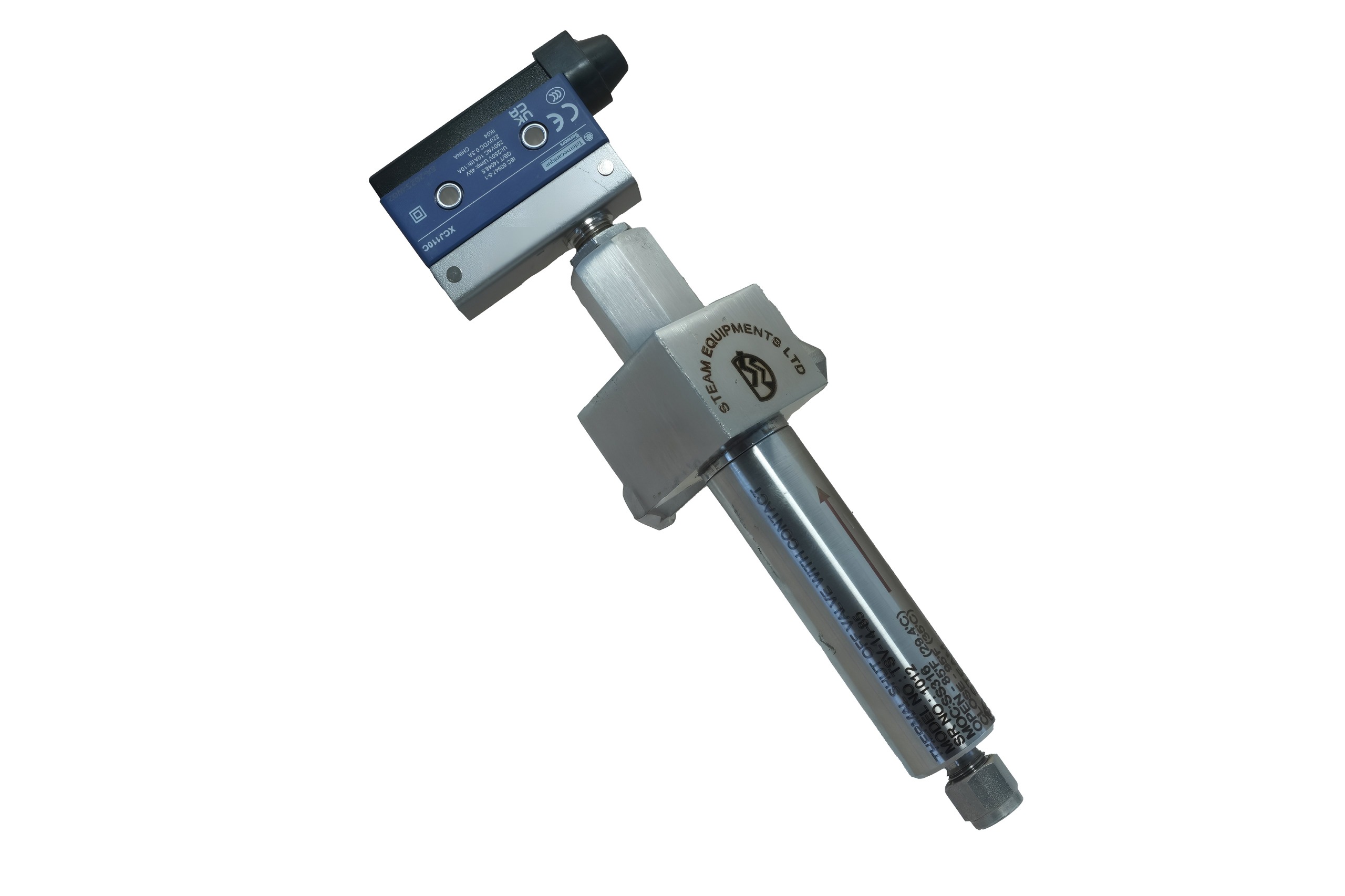
This valve is installed in the downstream of sampling systems/heat exchanger. The valve responds only to temperature. Under normal operation, the valve is fully open. If the sample temperature increases within the operating temperature (120ºF), The thermal actuator modulates the valve to close the inlet orifice. The valve automatically opens as the thermal actuator cools. The heart of this valve is a solid to liquid phase change thermal actuator. The actuator contains Thermoloid® compound which changes phase from solid to a liquid as the temperature increases. As phase change occurs, the volume of Thermoloid® material changes significantly with the liquid volume greater than the solid volume. Since Thermoloid® is essentially incompressible under normal operating loads & it is sealed into a rigid actuator housing, only piston can move and extend as the volume increases. This motion is used to open or close the valve.

Features


• Automatic: No reset or Operator involvement required.

• No outside Power Source required.

• Rugged, Compact Design, Easy Installation, Fast response.

• Reliable Shut-off : Ram-type plug design provides tight seal upon shutoff.

• Operating temperatures unaffected by pressure.

• Wide Choice of Set points.

• Corrosion Resistant: Materials Stainless steel and Teflon to reduce contamination of Sample stream.

• Operates in any orientation.

• Maintenance free. 

Benefits


• Purely Mechanical process.

• Reliable shut-off: Ram-type plug design provides tight seal upon shut off.

• No malfunctioning possibility.

• No operator attention required.

• Keeps costly elements of systems like Analysers safe.

• Maintenance free.

Applications


TSV is used in Steam & Water Analysis Systems, Instrumentation systems, etc.

• Steam & Water Analysis Systems.

• Instrumentation systems.

• Steam and Water Sampling Systems.

• Automatic Thermostatic Bypass.

• Thermostatic Flow Control.

• High or low Temperature Relief Valve.

• High Temperature Safety Shut-off.

• Thermostatic Drain Valve.

• Thermostatic Cooling Water Control.

• Thermostatic Condensate Drain.

• Heat Exchangers.

Specifications:


• Maximum Pressure Rating = 3000 psig

• Maximum Temperature Rating = 120 °C

• Valve Open Temperature (std) = 43 °C

• Valve Close Temperature (std) = 48 °C

• Sample connection = ½” NPT (F)

• Non standard ranges and connections available 
VRTS(Variable Pressure Reducer and Thermal shut off)
Image 1

Description


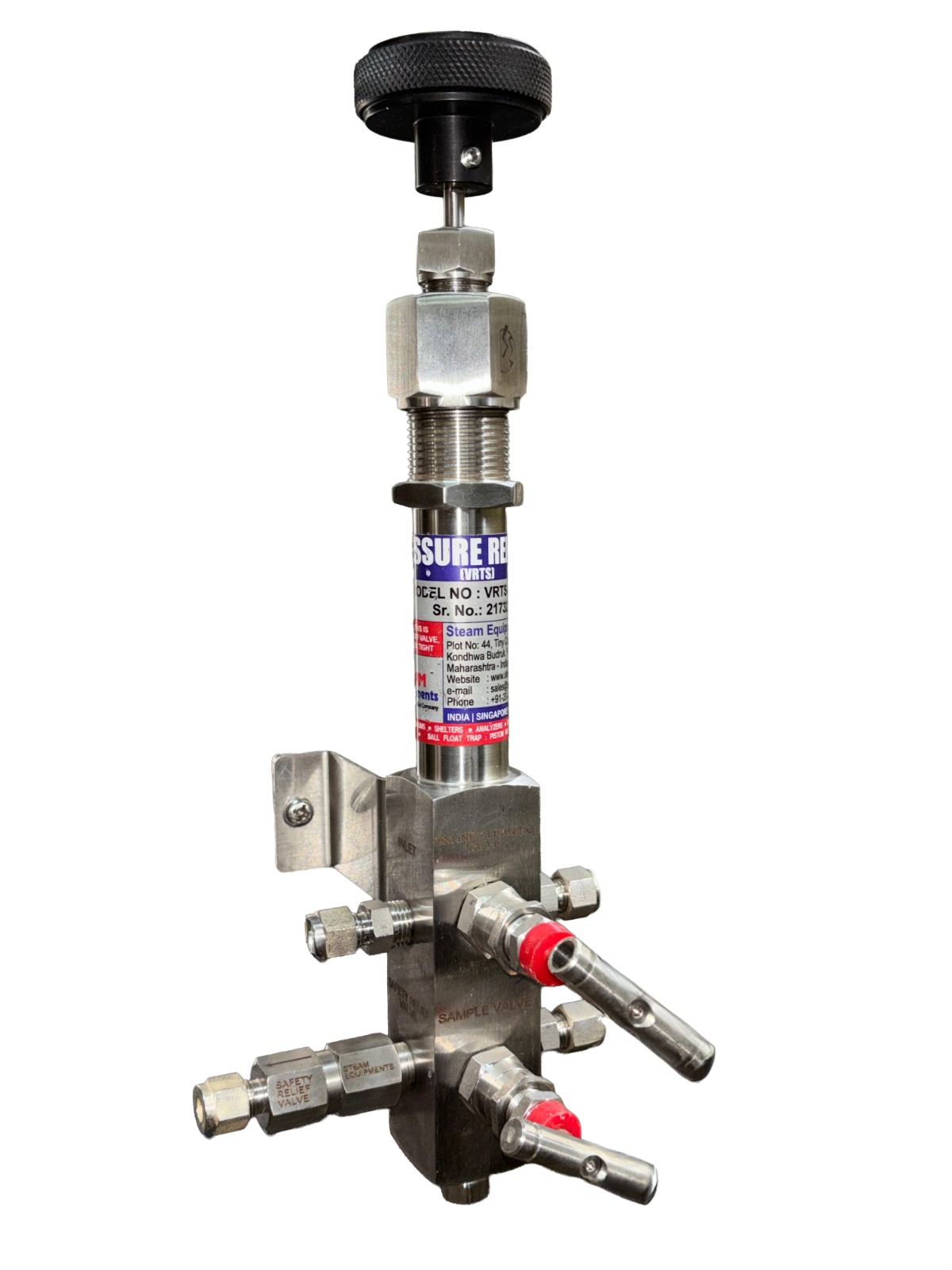
The Variable Pressure Reducer and Thermal shut off (VRTS) is used to reduce the pressure and control the flow of high-pressure steam and liquid samples, and shut off the sample line for high sample temperature. The VRTS is a compact version for pressure reduction. The pressure of the incoming sample is reduced as the liquid is forced to travel through the narrow gap between the tapered rod and the rod opening. Because the work is done over the entire length of the rod, localized wear is held to a minimum. The result is a very long service life compared with devices in which the pressure drop is taken over a very short distance (fixed orifice, pressure regulator, etc.). Other devices erode frequently causing function loss and down time. Thermal shut off valve at the end will close if sample temperature increases by preset value. These type of pressure reducers are recommended by ASME 19.11-1997.

Features


• Designed for high pressure boiler sampling lines above 35 kg/cm2 (500 psig) with inlet pressure upto 375 kg/cm2.

• Used to reduce the sample pressure from 400 bar to 3 bar.

• Outlet pressure totally adjustable. Outlet pressure 0 to 30 bar adjustable.

• Rod-In-Tube Design.

• No Filters Required..

• Built-in thermal shut off valve.

• Built-in pressure relief valve.

• Built-in temp contacts.

• On line grab sample valve.

• On line blow down valve.

• 6 components in one assembly

Benefits


• Maintenance free with online clearing arrangement

• Robust design.

• In line with recommendations of ASME PTC 19.11-2008.

• No Filters Required.

Applications


Use to reduce sample pressure in following applications.

• Steam & Water Analysis Systems

• Boiler water Blowdown systems

• Grab Sampling systems, etc

Specifications:


• Wetted Material: Stainless Steel 316

• Pressure rating: 5680 psig (400 bar(g))

• Temperature rating: 650 °C

• Maximum Flow: 100 LPH (liquid)

• End connections: ¼” (6.4 mm) OD tube

Coolant Flow Indicator
Image 1

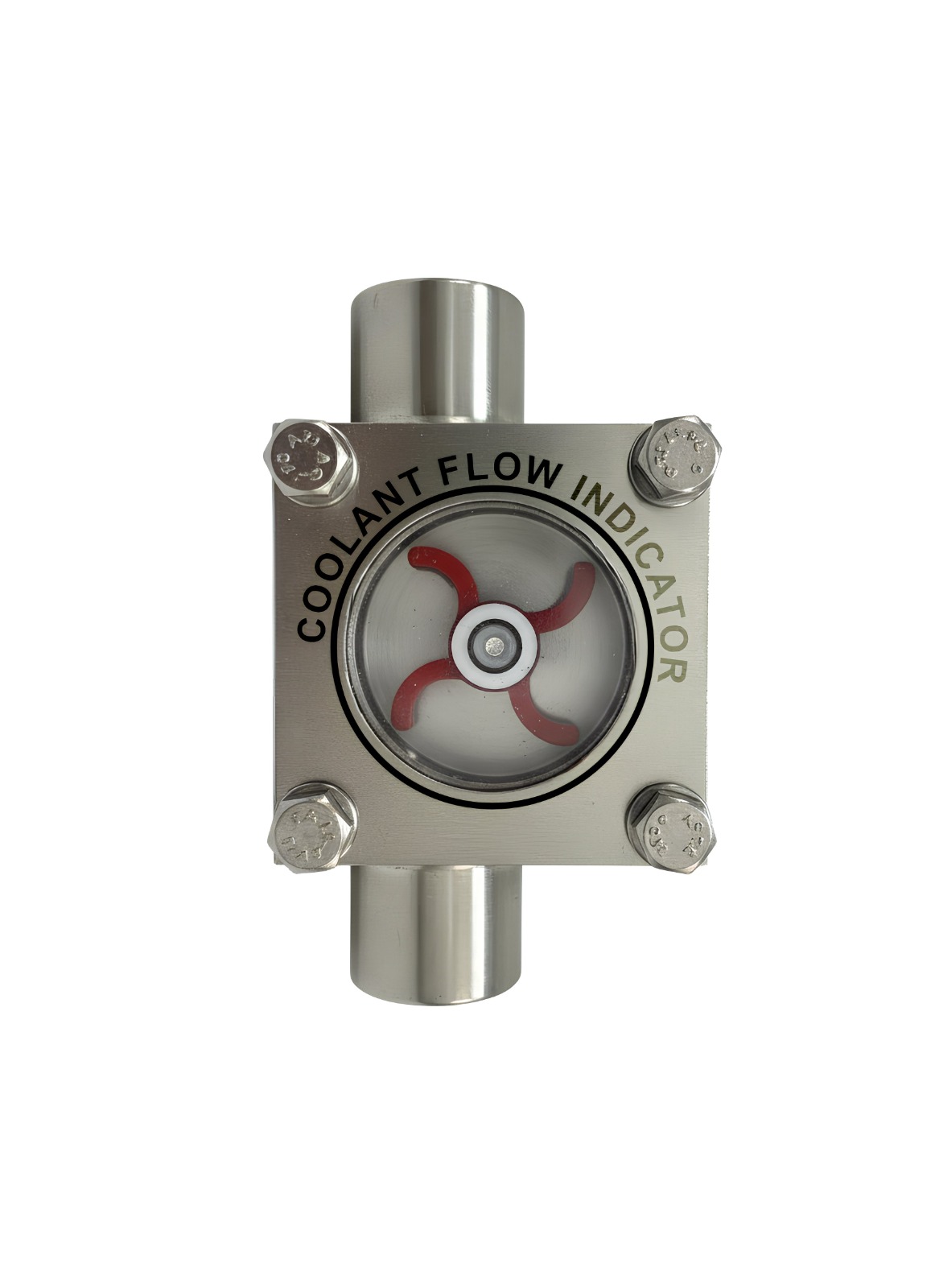
Description


Sight Flow Indicators

Sight Flow Indicators are local visual indicators of flow rate. Viewing windows at economical prices that are easily replaceable and serviceable.

  • • Service: Cooling water line
  • • Body Material: SS-316
  • • Window: Toughened glass
  • • Temperature Limit: 200°C
  • • Pressure Limit: 8.5 Kg/Cm2 (g)
  • • End Connection: 3/4” OD
Flow Indicators / Controllers

This category contains remote flow indicators and controllers for use with flow transmitters. The weatherproof, UV resistant, large, dual line display allows for more information, making it easier to read and simpler to program.

  • • Level monitoring
  • • Pump control
  • • Flow rate indication
  • • Flow totalization
  • • Open channel flow monitoring
  • • Process control
Sample Cooler
Image 1

Features


• Single continuous stainless-steel tube with no welded joints ensuring long maintenance-free operation

• Handles steam samples of high pressure (250 Bar) and high temperature (580°C)

• Shell & Tube design, Counter Flow

• Removable Coil for easy replacement

• Low cost & Compact Design ensuring minimum cooling fluid utilization.

• On-Line shell cleaning

• IBR/Lloyds approved cooler coils

• ASME Code Certified : Steam Equipments is an ASME Section VIII Division I Code Certified

Manufacturing Facility

Optional Features  

• In-built shell relief valves to protect against unlikely events such as coil failure

• Built-in Thermal Relief Valve

• High Temperature Sample Shut-off Valve

• Monel/Inconel coil coolers for high chloride content cooling water

• Grab Sampling/Root cooler module with panel & accessories

• Titanium cooler coils for HCI applications & other corrosive applications

• ASME U Stamped Cooler Available On Request

Data Required for Selection of the Sample Cooler

• Sample Inlet Temperature

• Sample Inlet Pressure

• Process Media, and Application

• Cooling Water Inlet Temperature & Quality SAMPLE COOLER

• Sample Flow SAMPLE COOLER

• Sample Outlet Temperature required 

Specifications:


Specification Details
Isolation & Blow Down Valves
Image 1
Image 2

Description


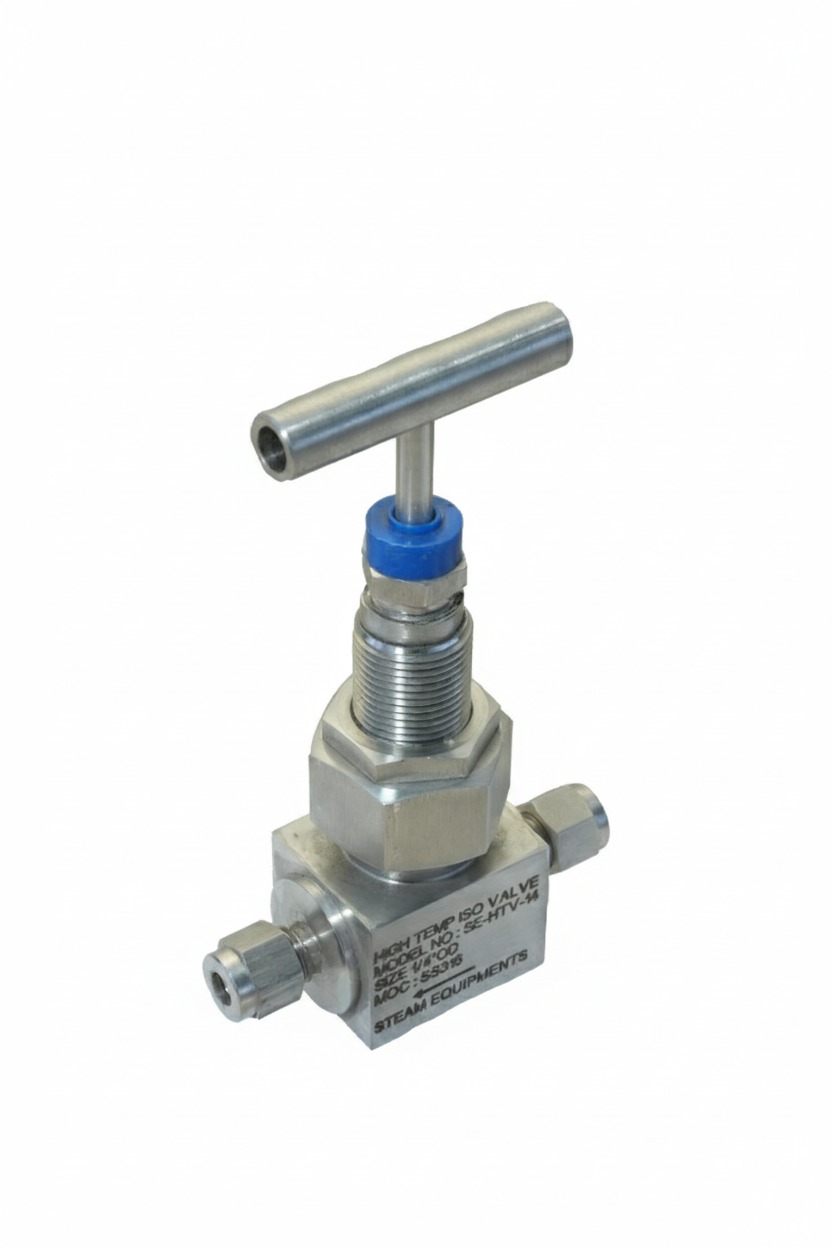
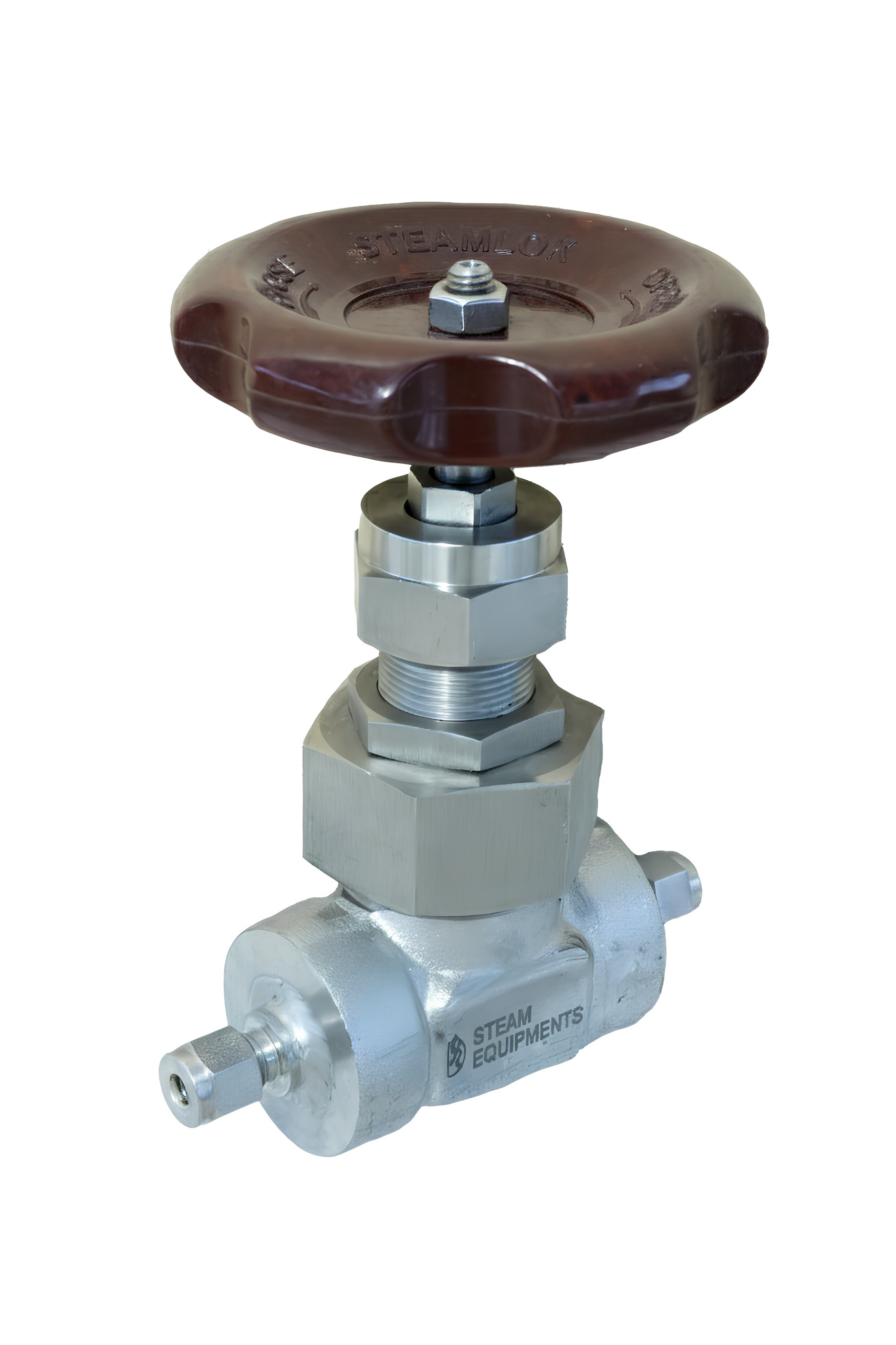
The High-Temperature Valve is a critical isolation and control component used in Steam and Water Analysis Systems (SWAS) to safely regulate high-temperature steam and boiler water samples. Engineered to withstand extreme temperature and pressure conditions, the valve ensures safe sampling, accurate flow control, and reliable protection of downstream equipment such as coolers, pressure reducers, filters, and analyzers.

Constructed from high-grade, corrosion-resistant stainless steel, the valve delivers exceptional thermal stability, leak-tight operation, and extended service life even in demanding boiler applications. Its robust design prevents thermal fatigue and guarantees safe isolation during maintenance, shutdown activities, or emergency situations.

The valve is IBR (Indian Boiler Regulations) certified, ensuring full compliance with regulatory requirements for boiler and steam system components. This certification guarantees that the valve meets stringent safety, material, and performance standards mandated for use in high-pressure and high-temperature steam lines.

By maintaining controlled sample flow and adhering to IBR standards, the High-Temperature Valve enhances operator safety, ensures dependable sample conditioning, and supports accurate SWAS monitoring in power plants and process industries.

Features


• IBR Certified for use in boiler and steam-line applications as per Indian Boiler Regulations.

• High-temperature resistant design, suitable for continuous exposure to superheated steam and hot boiler water.

• High-pressure capability, engineered for safe operation in power plant sampling lines.

• Corrosion-resistant stainless-steel construction (SS316 / SS316L / Duplex optional).

• Compatible with SWAS sample conditioning equipment including coolers, PRVs, filters, and analyzers.

• Safe isolation capability during maintenance, calibration, or emergency shutdown.

• Compact and rugged design, ideal for panel-mount and skid-mount SWAS applications.

Specifications:


Specification Details
Isokinetic Sample Probe
Image 1

Description


Isokinetic Sample extraction probes are designed to extract saturated and superheated steam samples isokinetically at high temperatures and pressure, ensuring extraction of a representative sample from the process steam lines. 

Features


  • • Designed for supercritical power plants.

    • Rugged design, highly resistant to thermal and hydraulic shocks.

    • Easy to install.

    • Eco-friendly material.

    • Designed for high pressure upto 400 Bar

    • Design Temperature : 610oC

    • Material of construction : SS-316H

    • Dual Isolation valves for maintenance and safety shutoff

    • Installed and working many power plants upto 800MW

Benefits


• Extracts steam isokinetically i.e. extracts all impurities in line.

• Avoids sample contamination during extraction.

• Ensures true representative sample for accurate analysis in parts per billion (ppb) level. 

Walkway Type System
Image 1
Image 2
Image 3

Description


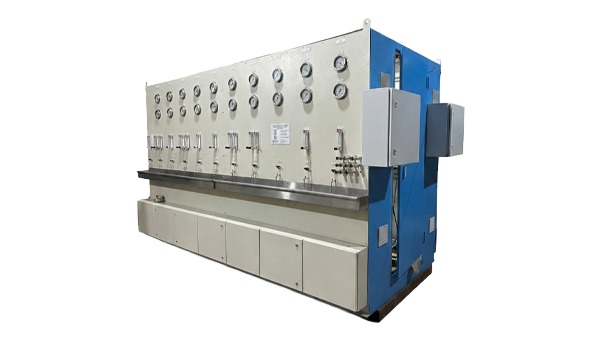
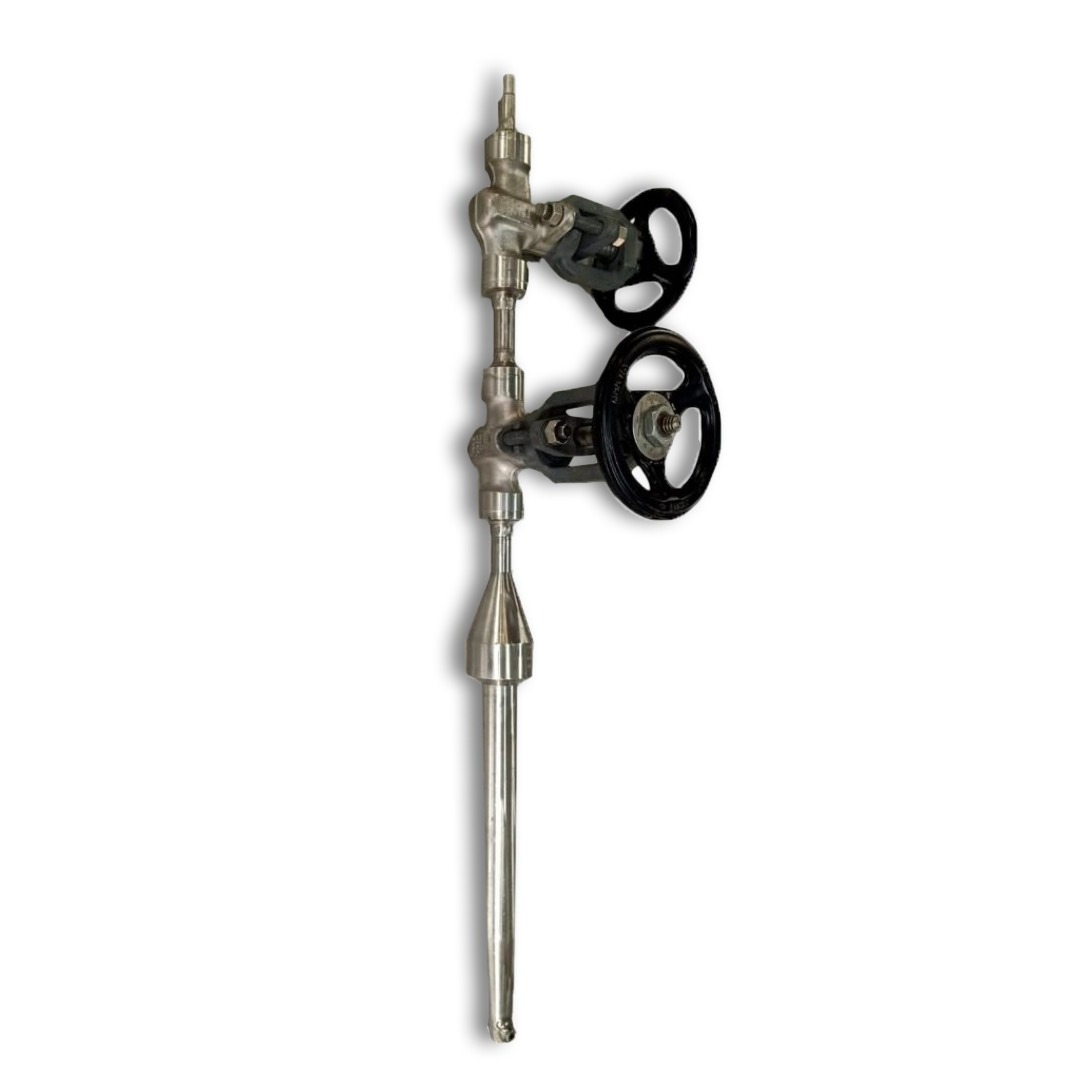
Walk in type sample Conditioning systems are specially designed as per NTPC & BHEL specifications and are suited for mid-size and large plants. These are safe for use, provide separate interface for user & system expert, thus protecting the equipment from unauthorised usage / fiddling. The deliveries of such systems can be given in a medium span.

All Systems are designed in compliance with ASME PTC-19.11, USA, GDCD, UK, EPRI, VGB Standard S006-2012 

Features


• Closed type construction

• Separate interface for operator

• Easy access for operator to all essential indicating instruments

• Design provides safety to the equipment ensuring longevity and trouble-free operation

• Number of lines: Selectable from 1 to 10 (more also available on request)
• Sample temperatures than can be handled: from 30 to 600oC. (more temperatures can be handled on request)

• Sample pressures than can be handled: from 1 to 300 Kg/cm2 (more pressures can be handled on request)

• Typical size of rack (per line): 2100mm (H) x 650mm (W) x 1200mm (D). (Width will increase incrementally as per number of lines)

• Cooling water temperature: 25 to 35oC (If more, special designs are available)

• Cooling water quality: preferably DeMin water with chloride content 35ppm (If different quality water is available, special designs are available) 

Combined System
Image 1
Image 2

Description


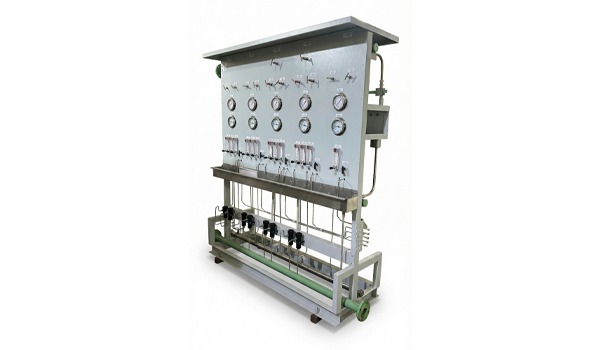
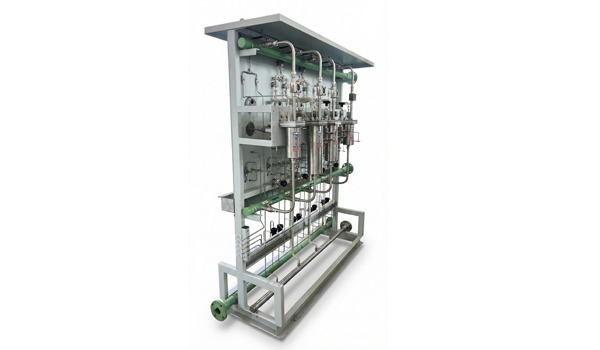
It consists of both wet panel and a dry panel combined into one system. It is customize built panel, which includes Primary and Secondary sampling components in one skid with indicating and control instruments like Isolation Valves, Blow Down Valves, Pressure Regulator, Pressure Gauge, Temperature Gauge, Rotameter, Grab Sample Valves are in front of the panel mounted on SS sheet with common Tundish.Dry panel components such as Sample Cooler, Filter, Cooling and Chilled Water Isolation Valves, Thermal Shut Off Valve, BPRV, Cation Column etc. are on the back of the panel. Flush mounted analyzer panel is adjacent to sample panel, which makes the combined panel compact and easily serviceable. All Systems are designed in compliance with ASME PTC-19.11, USA, GDCD, UK, EPRI, VGB Standard S006-2012 

Features


• Designed as per ASME PTC 19.11 recommendations.

• Design temp: 650oc and p: 400 Bar

• Compact double helix type, shell and tube sample coolers

• All high-pressure components to pressure reducer can withstand temp up to 550oC

• Automatic high temp shut off valves are used for high temp protection

• No power supply required

• No wiring required

• Rod in tube type pressure reducer

• Online pressure regulator cleaning

• No filters used

• Back pressure regulator with SS diaphragm

• Easy access to components

• SS cooling water pipeline 

Benefits


• Low maintenance Required

• Cost Effective system

• Accurate & stable measurement system
• Long Life Equipments

• Compact design 

Applications


• Steam applications Feed water

• Condensate, Boiler Water

• LP Drum Water

• LP/HP Steam, Life Steam

• Main Steam Demi Water

• Condensate, Boiler Water

• LP Drum Water

• LP/HP Steam

• Main Steam for power stations

• Quality Analyzer system

Modular System
Image 1
Image 2

Description


Modular sampling panels for primary sampling and secondary sampling; Primary sampling module includes inlet isolation valve, blow down valve, sample cooler with cooling water inlet and outlet valve with coolant flow indicator to diagnose required flow of cooling water. Pressure reduction and high sample temperature safety valve (thermal shut off valve).

Primary cooling sampling panel consists of rotameter, Back Pressure Regulator, Pressure Gauge, Temperature Gauge and Grab Valve with Tundish.

For conditioning scheme of both, primary and secondary panel- secondary panel includes Secondary Sample Cooler with chilled water inlet and outlet valve with chilled water Flow Indicator, Rotameter, Back Pressure Regulator, Pressure Gauge, Temperature Gauge and Grab Valve with Tundish. The chiller unit is skid mounted modular type, it’s a separate unit which will be connected to secondary cooler chilled water inlet and outlet connections. 

All Systems are designed in compliance with ASME PTC-19.11, USA, GDCD, UK, EPRI, VGB Standard S006-2012


Features


• Designed as per ASME PTC 19.11 recommendations.

• Design temperature of 650oC and pressure of 400 Bar.

• Compact double helix type, shell and tube sample coolers.
• All high-pressure components to pressure reducer can withstand temp up to 550oC.
• Automatic high temp shut off valves are used for high temp protection.

• No power supply required.

• No wiring required.

• Rod in tube type pressure reducer.

• Online pressure regulator cleaning.

• Back pressure regulator with SS diaphragm.

• Easy access to components.

• SS cooling water pipeline. 

Benefits


  • • SS cooling water pipeline.

    • Cost Effective system

    • Accurate & stable measurement system

    • Long Life Equipments

    • Compact design

Applications


• Steam applications Feed water

• Condensate, Boiler Water

• LP Drum Water

• LP/HP Steam, Life Steam

• Main Steam Demi Water

• Condensate, Boiler Water

• LP Drum Water

• LP/HP Steam

• Main Steam for power stations

Fit Swas ( Fully Integrated And Tested Steam And Water Analysis Systems)
Image 1
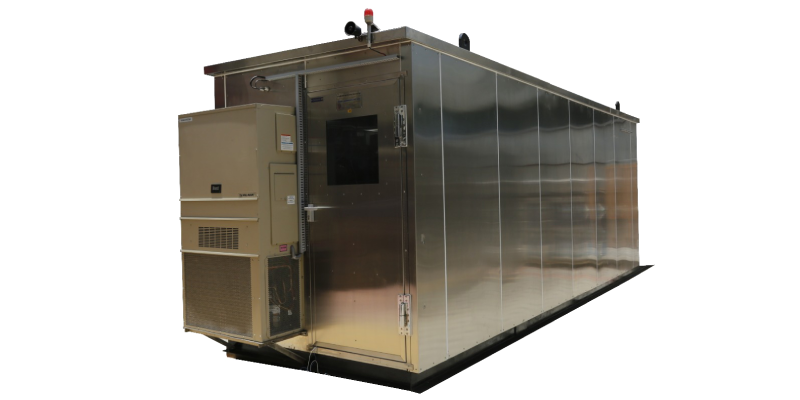
FIT SWAS mounted in stainless steel shelter
Image 2
Shelter based SWAS inside view
Image 3

Description


Steam and water analysis system (SWAS) — A well designed Steam and Water Analysis system (SWAS) can help in monitoring the critical parameters in the steam. These parameters include pH, conductivity, silica, sodium, dissolved oxygen, phosphate and chlorides. A well designed SWAS must ensure that the sample is representative till the point of analysis. The SWAS system comprised of shelters, walk-way, rack mounted, panel mounted designed as per the customer requirements are the best suited for power plants. These are safe for use, provide good working area for user & system expert, yet protects the equipment from unauthorised usage / fiddling. Hence Steam Equipments designed new concept of FIT SWAS (Fully Integrated Steam & Water Analysis System).We have designed & developed Steam & water analysis system in accordance with the recommendations of ASME PTC 19.11 Part-II.

Features


• In compliance with ASME PTC 19.11

• Analysers and Sampling system at one place.

• Easy access for operator to all instruments.

• Design provides safety to the equipment ensuring longevity and trouble-free operation.

• Can be installed and commissioned in record time.

• With MOC as FRP, CRCA or SS-316 according to customer’s requirements.

Benefits


• Longer life of equipment ensured.

• High degree of safety to the operator ensured.

• Unauthorised usage totally prevented.

• Saves lot of time on site in terms of installation as well as commissioning.

• Saves a lot of civil work, tubing, piping and cabling.

• Plug and play construction.

• Saving in manpower and material costs on site, thus reducing project costing substantially.

• Saving in utility transport.

Applications


• Large Thermal Power Plants (Typically 800 to 1000 MW per unit).

• Combined Cycle Power Plants.

• Chemical / Pertrochemical / Fertilizer / Refinery applications of sample conditioning and analysis.