SHELTERS
Description
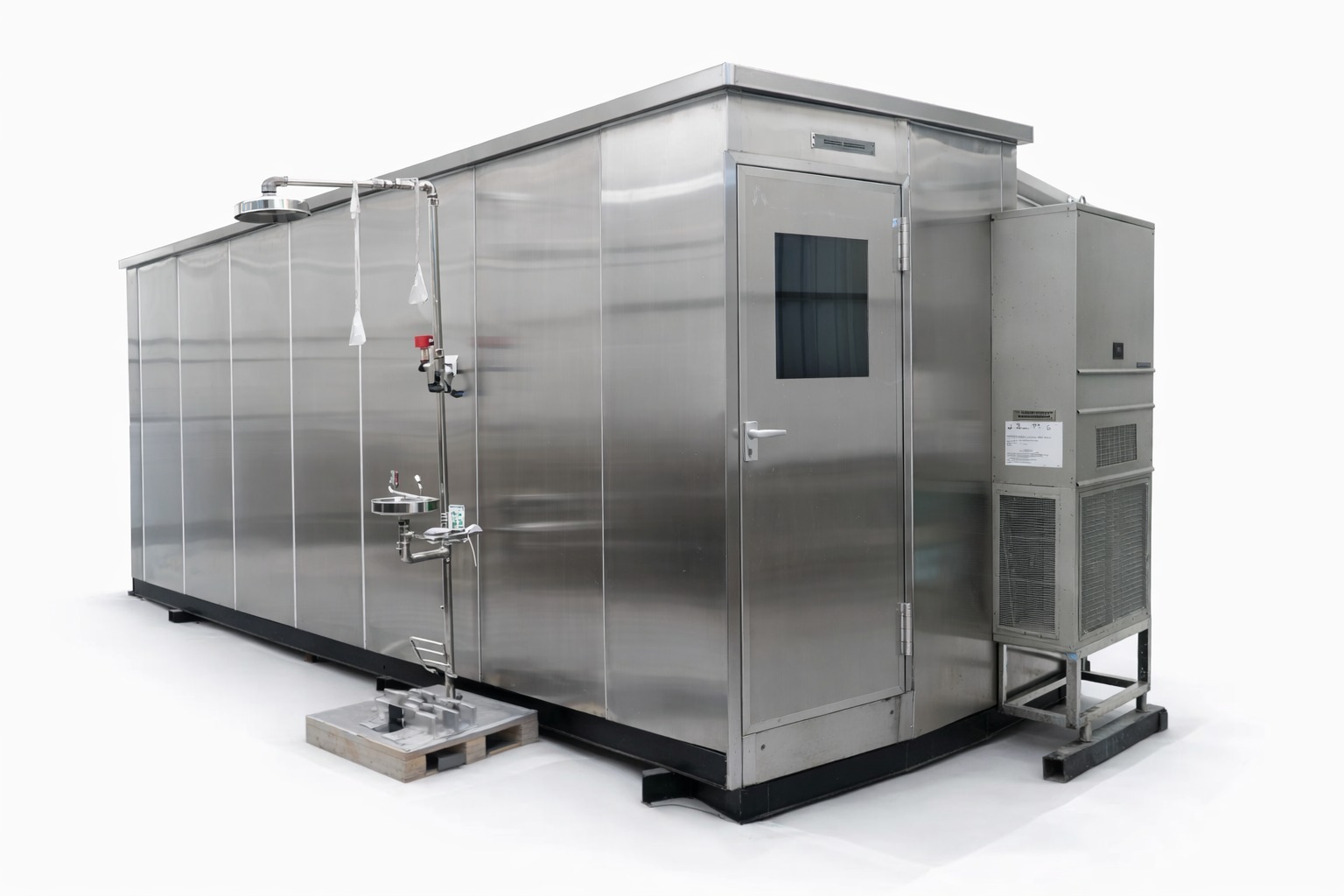
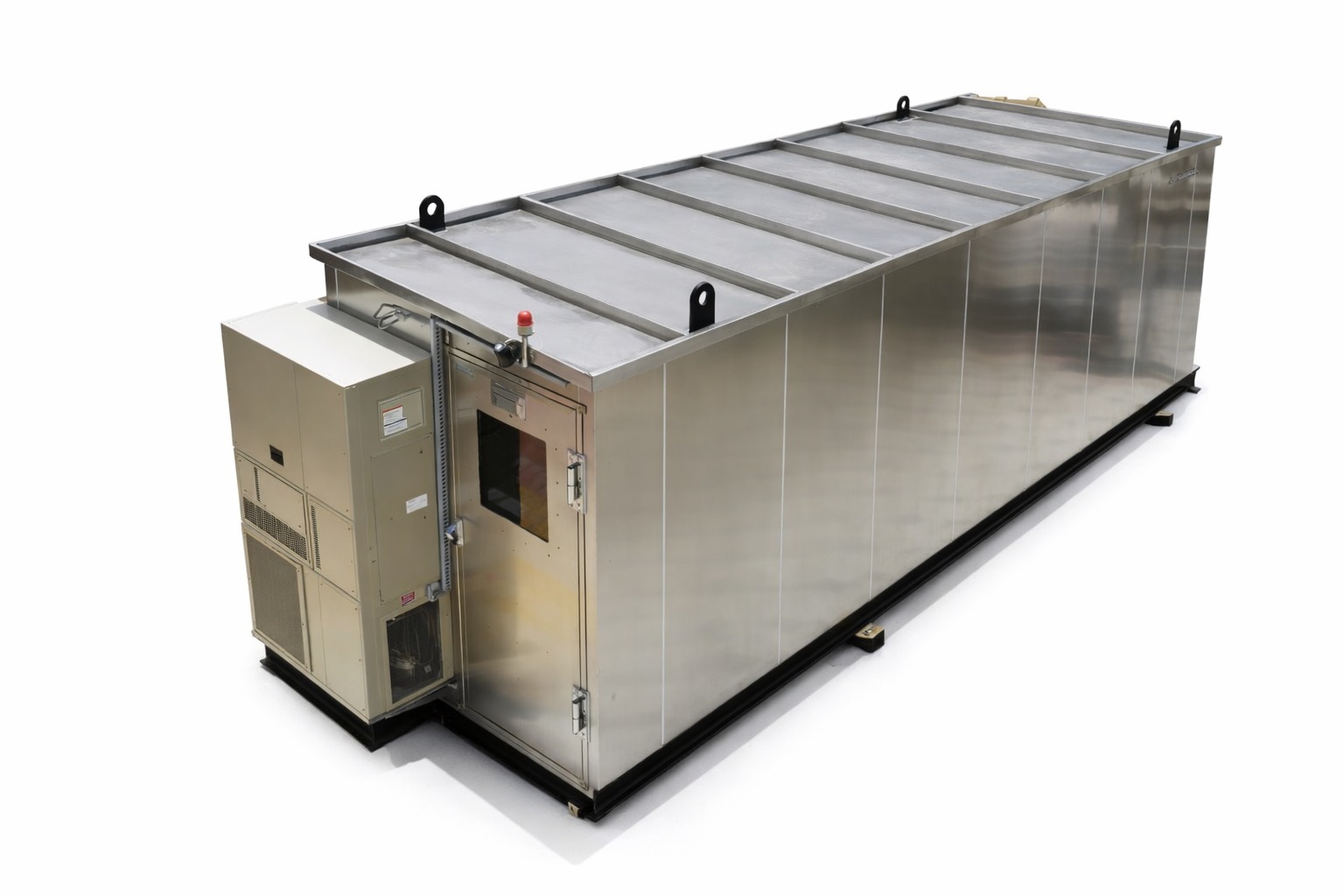
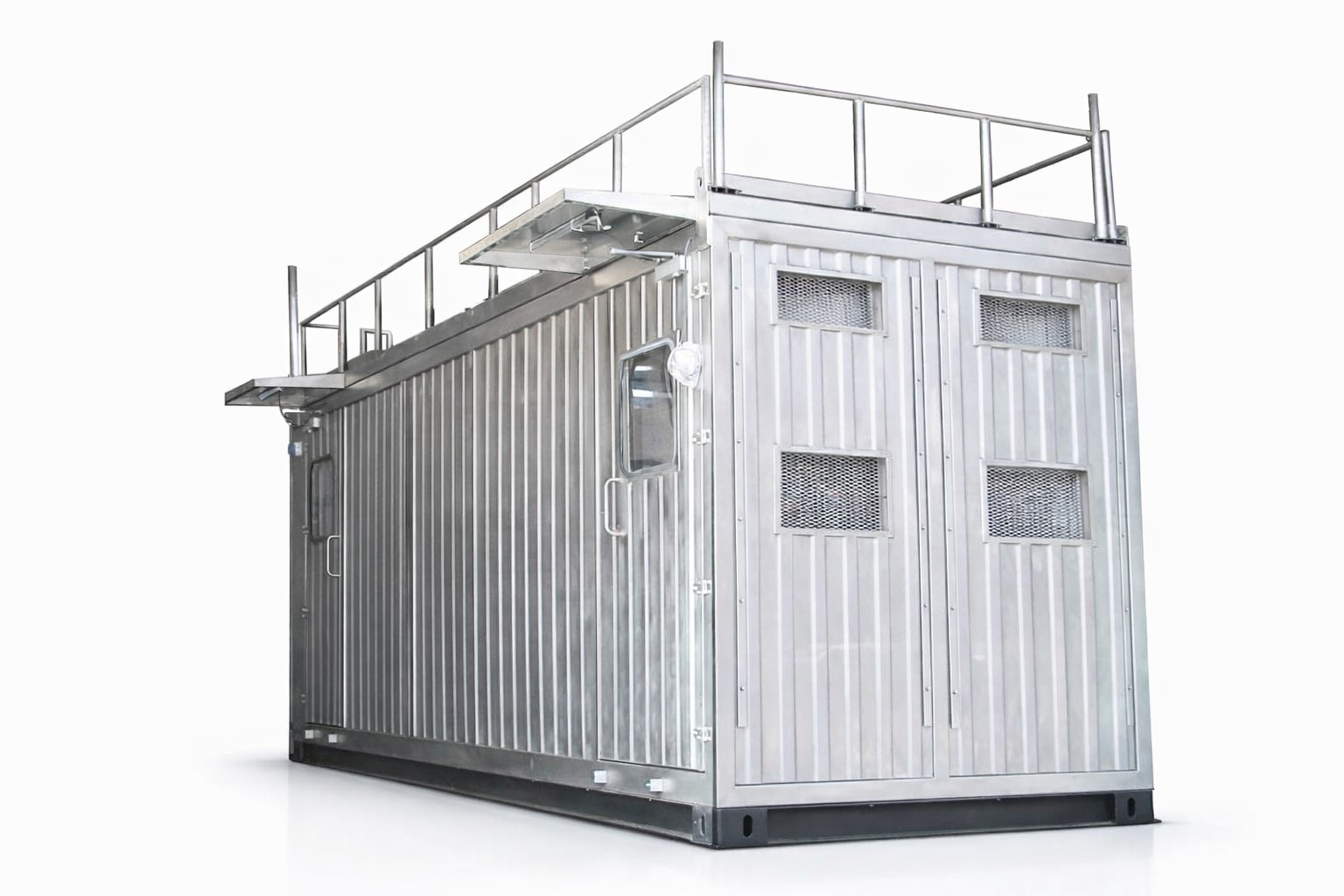
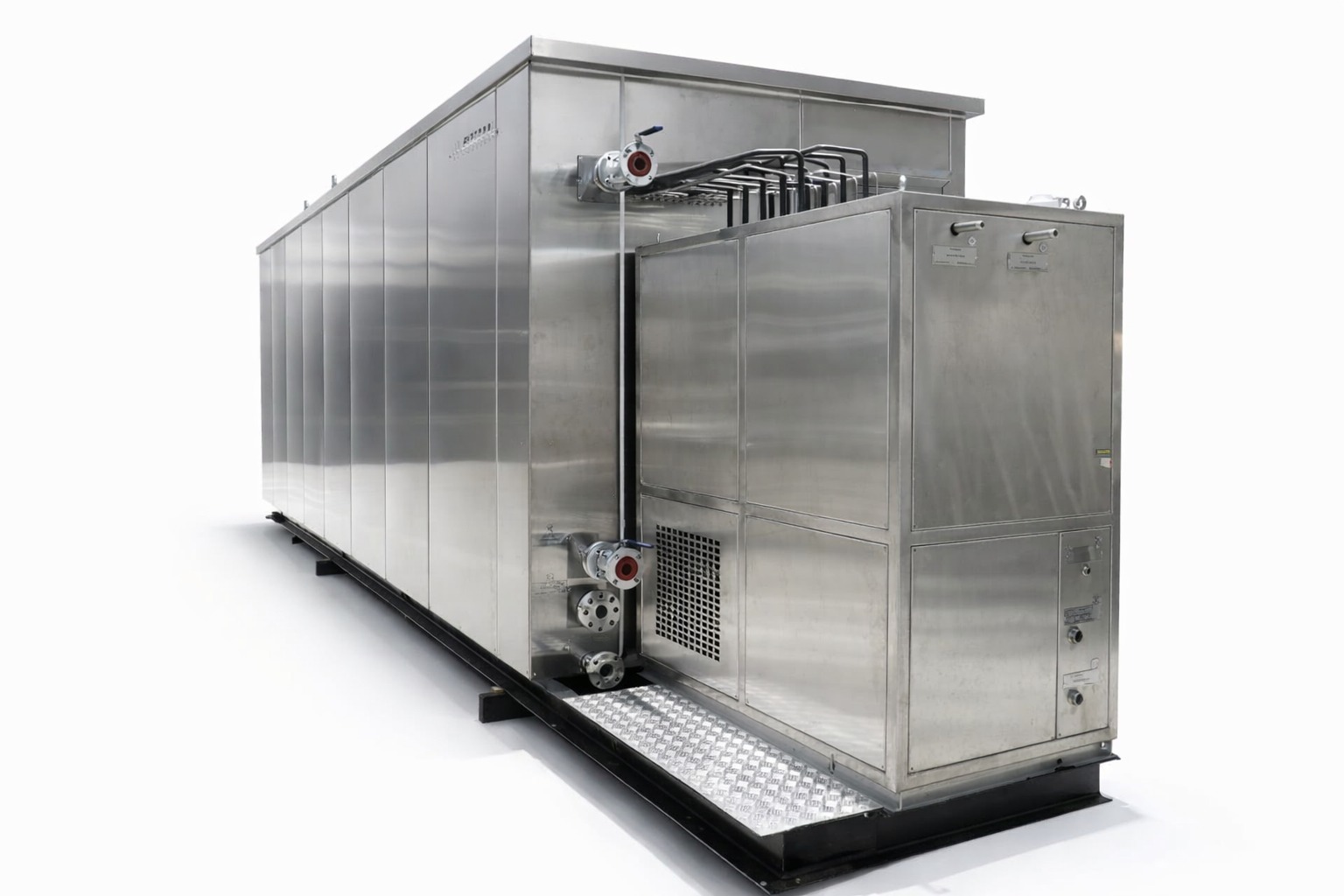
Analyzer Shelters, also known as Containerised Systems, are
specially designed enclosures that provide a safe, controlled, and weatherproof
environment for housing analytical and sampling systems. These shelters ensure
the protection of critical instruments from harsh ambient conditions,
unauthorized access, and operational hazards.
Constructed using fully insulated sandwich panels with materials like CRCA,
SS-304, or SS-316L, the shelters offer superior strength, corrosion resistance,
and thermal insulation. Each system is custom-engineered to meet specific site
requirements such as local climatic conditions, hazardous area classification,
analyzer types, and client specifications.
The shelters can be equipped with HVAC systems, electrical panels, lighting,
ventilation, fire detection, and suppression systems — making them fully
integrated, plug-and-play solutions. Designed and fabricated entirely in-house,
these shelters ensure quality, reliability, and ease of installation with minimal
on-site work.
Features
· Fully enclosed, insulated sandwich construction using CRCA / SS-304 / SS-316L materials.
· Analyzer and sampling systems integrated in a single, protected enclosure.
· Customizable layouts based on client and process requirements.
· Integrated HVAC system for precise temperature and humidity control.
· Pre-wired and pre-tested units for plug-and-play installation.
· Weatherproof and corrosion-resistant design suitable for outdoor and hazardous locations.
· Easy access for operators to instruments and sampling systems.
· In-house design, fabrication, and testing ensuring consistent quality control.
· Compliance with hazardous area classifications and relevant international standards.
· Provisions for electrical, lighting, cable entry, and instrumentation supports.
· Quick installation and commissioning due to preassembled modular design.
Benefits
· Enhanced equipment safety and longevity by protecting analyzers from harsh environments.
· High operational reliability due to stable internal conditions maintained by HVAC systems.
· Reduced installation time and minimal site work through plug-and-play construction.
· Lower project costs by saving on civil work, piping, and cabling.
· Improved operator safety with fully enclosed and hazard-protected systems.
· Prevention of unauthorized access and equipment tampering.
· Ease of maintenance with organized layouts and accessible panels.
· Flexibility to relocate or modify shelters as process requirements change.
· Reduced manpower requirements during installation and commissioning.
· Compliance with safety and environmental regulations.